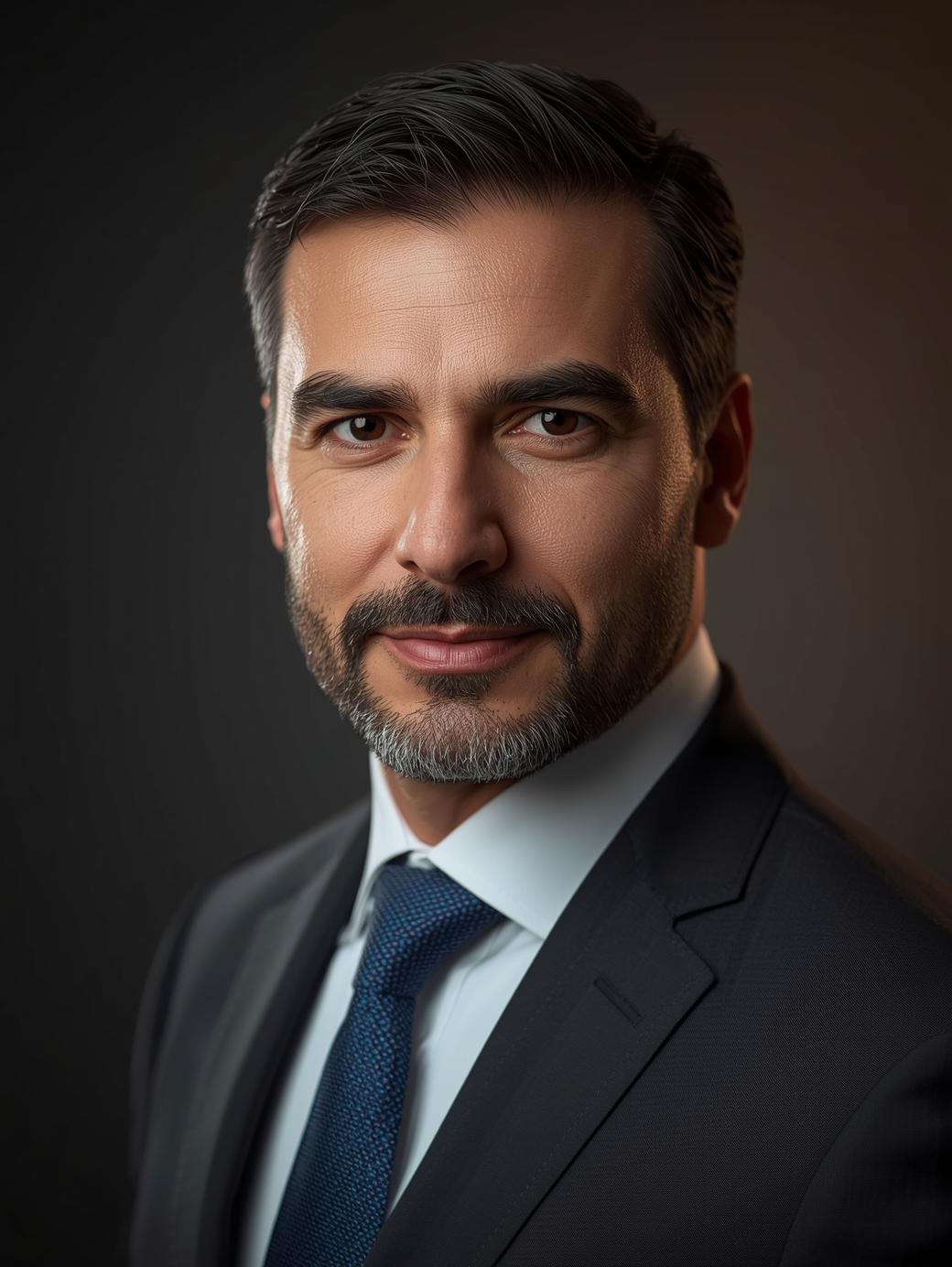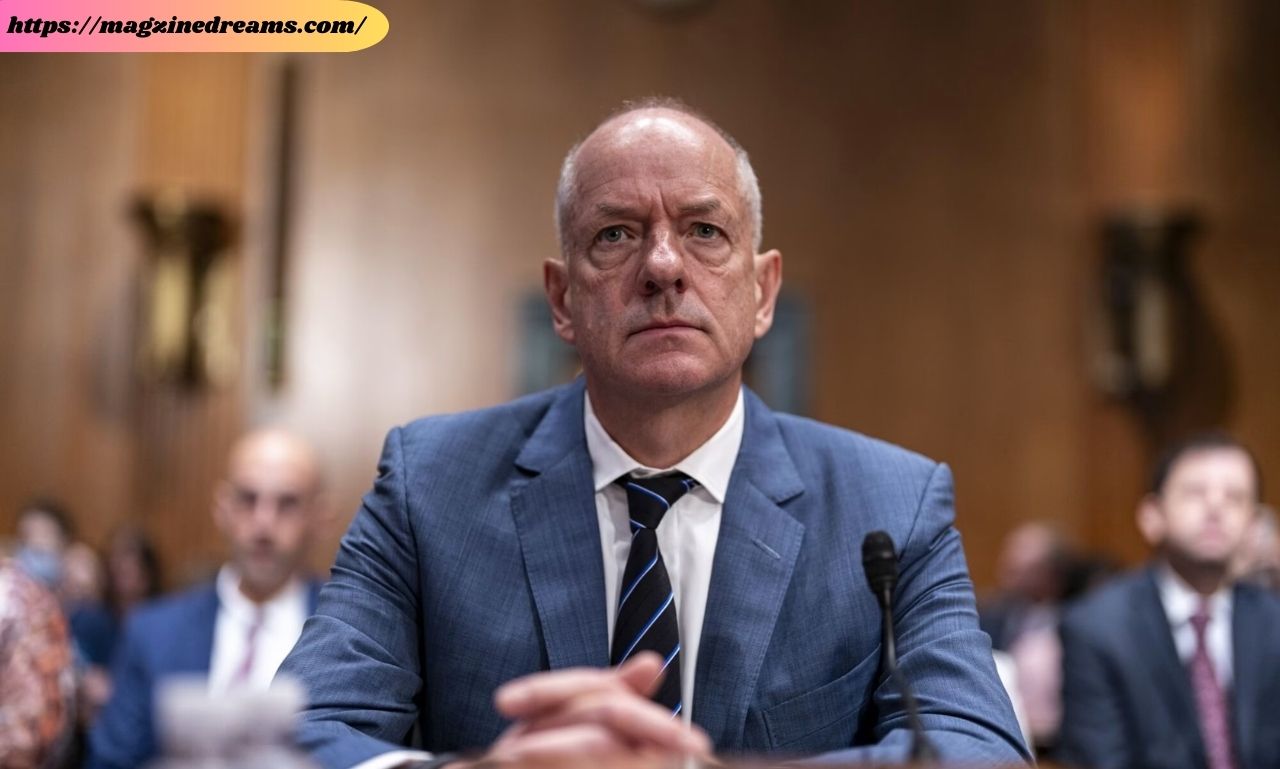
Sir Andrew Witty has spent his life working at the top of the pharmaceutical industry, helping people get better medicine. As a famous healthcare executive, he led GlaxoSmithKline (GSK) before moving to UnitedHealth Group. He is a business leader who truly cares about global healthcare and the importance of patient-focused care.
Ever wondered how one man controls the destiny of millions of patients worldwide? From a simple economics degree to managing a pharmaceutical giant, his secret leadership style and long-term vision might surprise you. Is he the ultimate visionary leadership example?
He has always pushed for healthcare accessibility in low-income countries, ensuring everyone gets lifesaving medicines. Through his work with vaccines and public health, he has earned massive career achievements. His focus on health equity and innovation makes him a top corporate leadership icon today.
- Andrew Witty Profile Summary
- Early Life and Education: Foundations in Economics
- Andrew Witty Net Worth and Financial Success
- Andrew Witty Current Job: Leading UnitedHealth Group and Optum
- Personal Life: Andrew Witty Religion and Wife
- Rise Within GlaxoSmithKline: The 2008-2017 (GSK Tenure)
- Transforming GSK Under His Leadership
- Advocacy for Global Health Access and Lifesaving Medicines
- Recognition and Knighthood by Queen Elizabeth II
- Transition to UnitedHealth Group and Optum
- Leadership During the COVID-19 Pandemic
- Andrew Witty’s Leadership Style: The Pragmatic Visionary
- Career Achievements and Financial Success Table
- Global Impact on Healthcare and Health Equity
- The Future of Global Health Leadership
- FAQ’s
- Who is the current partner of the prominent British official?
- What academic path did the influential administrator pursue initially?
- Which prestigious royal honor was bestowed upon him in 2012?
- In which international regions did he gain his early professional experience?
- What other voluntary positions has he held in the academic sector?
- Conclusion
Andrew Witty Profile Summary
| Category | Details |
| Full Name | Sir Andrew Philip Witty |
| Date of Birth | August 22, 1964 |
| Place of Birth | Nantwich, United Kingdom |
| Education | Bachelor’s Degree in Economics, University of Nottingham |
| Primary Industry | Global Healthcare & Pharmaceutical Industry |
| Current Role (2026) | Senior Adviser and Board Member, UnitedHealth Group |
| Former Major Roles | CEO of GlaxoSmithKline (GSK); CEO of UnitedHealth Group |
| Key Advocacy Areas | Healthcare accessibility, Health equity, Vaccine development |
| Notable Honors | Knighthood (2012), Honorary Citizen of Singapore |
| Family | Married to Caroline Hall; 2 Children |
| Net Worth | Estimated in the high multi-millions (USD) |
| Public Service | Former Special Envoy to the World Health Organization (WHO) |
Early Life and Education: Foundations in Economics
Sir Andrew Witty was born in 1964 in the United Kingdom. His academic journey led him to the University of Nottingham, where he earned an economics degree. This background in economics was pivotal, as it equipped him with the quantitative skills to manage a pharmaceutical giant while understanding the broader socio-economic impacts of medicine. Witty has maintained a lifelong connection with his alma mater, even serving as Chancellor of the University of Nottingham after his professional success.
His education taught him that markets are not just about profit but about the efficient allocation of resources to meet human needs. This perspective would later define his leadership style, particularly his focus on affordability and global health. By integrating economic theory with a humanitarian outlook, Witty transitioned from a student of economics to a pragmatic leader capable of steering massive organizations through complex international business shifts.
Andrew Witty Net Worth and Financial Success
As of 2026, the Andrew net worth is estimated to be in the tens of millions, though he remains private about his exact personal holdings. His financial success is primarily derived from his high-level executive roles at GlaxoSmithKline (GSK) and UnitedHealth Group. During his tenure as Chief Executive Officer (CEO), his compensation packages typically included a mix of base salary, performance-based bonuses, and stock options, reflecting his ability to drive growth in the pharmaceutical industry.
Despite his wealth, Witty has often been categorized as a compassionate leader who views financial success as a byproduct of creating value for patients. His career achievements demonstrate that long-term shareholder value is best achieved through patient-focused care and innovation. His financial journey reflects the evolution of a business leader who moved from traditional pharmaceutical sales into the high-stakes world of managed care and technology in healthcare.
Andrew Witty Current Job: Leading UnitedHealth Group and Optum
In 2026, he remained a cornerstone of the American healthcare landscape as the Chief Executive Officer (CEO) of UnitedHealth Group. This healthcare company is a massive conglomerate that includes UnitedHealthcare (insurance) and Optum (health services). His current role is to oversee the intersection of insurance, clinical care, and data-driven healthcare.
Under his visionary leadership, the company has leaned heavily into technology in healthcare, using predictive analytics to improve outcomes. His work at UnitedHealth Group is focused on “the triple aim”: improving the patient experience, improving the health of populations, and reducing the per capita cost of healthcare delivery. This executive role requires a balance of corporate leadership and a deep understanding of how managed care can be optimized through modern technology.
Personal Life: Andrew Witty Religion and Wife
For many followers of his career, the details of his personal life provide insight into his character. Andrew Witty’s wife, Caroline, has been a steady presence throughout his ascent in the corporate world. While he keeps his family life out of the tabloids, it is known that his stable home life has allowed him to focus on the grueling demands of being a global healthcare leader.
Regarding his religion, he has generally kept his specific faith a private matter. However, many industry peers describe him as a compassionate leader whose ethical framework mirrors a deep sense of social responsibility. Whether driven by personal faith or secular ethics, his commitment to health equity and providing lifesaving medicines to low-income countries suggests a man guided by a strong moral compass.
Rise Within GlaxoSmithKline: The 2008-2017 (GSK Tenure)
Andrew Witty’s entry into the pharmaceutical industry began in 1985. His career at GlaxoSmithKline (GSK) saw him rise through various executive roles before becoming CEO. His 2008-2017 (GSK tenure) is remembered as a period of radical transparency. He was one of the first leaders of a pharmaceutical giant to stop paying doctors to promote products, a move that emphasized social responsibility.
During this time, he steered the company through a shift toward vaccines and consumer healthcare. He recognized that the future of the pharmaceutical industry lay in high-volume, lower-margin products that could serve global markets, rather than just high-priced specialty drugs. His leadership style during this decade turned GSK into a leader in the Access to Medicine Index, proving that corporate leadership could prioritize global health advocacy.
Transforming GSK Under His Leadership
Transformation at GSK was not just about internal policies but about changing the company’s DNA. Witty pushed for research and development that targeted diseases prevalent in developing nations, such as malaria and TB. This long-term vision was controversial at the time, as many investors wanted a focus on high-profit Western markets.
Witty’s strategy included:
- Decoupling sales representative pay from the number of prescriptions written.
- Creating a more collaborative research and development environment.
- Expanding the company’s footprint in developing countries.
- Investing in vaccines as a core pillar of the business.
These moves solidified his reputation as an innovator who wasn’t afraid to challenge the status quo of the pharmaceutical industry.
Advocacy for Global Health Access and Lifesaving Medicines
A defining element of Witty’s career is his focus on healthcare accessibility. He believed that the price of lifesaving medicines should not be a barrier to survival. Under his watch, GSK adopted a tiered pricing model, where drug pricing was adjusted based on a country’s ability to pay, particularly benefiting low-income countries.
His global health advocacy extended to the development of HIV drugs and malaria drugs. By facilitating the creation of the world’s first malaria vaccine, Witty demonstrated that a healthcare company could play a critical role in public health. He championed health equity, ensuring that developing nations were not left behind in the race for medical advancement.
Recognition and Knighthood by Queen Elizabeth II
In 2012, his contributions to the pharmaceutical industry and global health were recognized on a grand scale. He was awarded a knighthood by Queen Elizabeth II for his services to the economy and the UK life sciences sector. This honor reflected his status as a premier business leader and his influence on global healthcare policy.
The knighthood also highlighted his role in fostering collaboration between the private sector and the government. As Sir Andrew Witty, he became a global ambassador for British innovation, proving that a pragmatic leader could achieve both commercial success and significant social impact.
Transition to UnitedHealth Group and Optum
After leaving GSK in 2017, Witty eventually moved to UnitedHealth Group, initially leading Optum. This transition marked a move from the drug-making side of healthcare to the healthcare delivery and managed care side. His experience with a pharmaceutical giant allowed him to bring a unique perspective to how services are rendered and paid for in the United States.
At Optum, he focused on data-driven healthcare, using massive datasets to identify gaps in patient care. This role prepared him to become the overall Chief Executive Officer (CEO) of UnitedHealth Group, where he now manages a workforce of hundreds of thousands, all focused on making the healthcare system more efficient.
Leadership During the COVID-19 Pandemic
Perhaps his greatest challenge came during the COVID-19 pandemic. In 2020, Witty took a leave of absence from his role to assist the World Health Organization (WHO). He served as a special envoy for the “Access to COVID-19 Tools Accelerator,” a global effort to speed up vaccine development and ensure equitable distribution.
During this global health crisis, Witty’s visionary leadership was on full display. He worked to coordinate between governments and the pharmaceutical industry to ensure that developing countries had access to vaccines. His work with the World Health Organization (WHO) during the pandemic remains a highlight of his career, showcasing his ability to lead through unprecedented volatility.
Andrew Witty’s Leadership Style: The Pragmatic Visionary
Witty’s leadership style is often described as a blend of innovation, collaboration, and social responsibility. He is a pragmatic leader who understands that for a healthcare company to be sustainable, it must be trusted by the public. This trust is built through patient-focused care and transparent business practices.
Key qualities of his leadership include:
- Long-term vision: Looking beyond quarterly earnings to the future of global health.
- Collaboration: Working with competitors and governments to solve large-scale problems.
- Innovation: Investing heavily in research and development and technology in healthcare.
- Compassion: Maintaining a focus on the human impact of healthcare delivery.
Career Achievements and Financial Success Table
The following table outlines the trajectory of Witty’s career and the impact of his leadership across different organizations.
| Period | Organization | Role | Key Achievement |
| 1985–2008 | GSK | Various Executive Roles | Expansion into global markets. |
| 2008–2017 | GSK | Chief Executive Officer (CEO) | Leading global health advocacy and vaccine growth. |
| 2020 | WHO (Leave) | Special Envoy | Coordinated vaccine development for COVID-19. |
| 2021–Present | UnitedHealth Group | CEO | Integration of Optum and data-driven healthcare. |
This data shows a consistent upward trajectory of a business leader who has mastered both the manufacturing and delivery aspects of the pharmaceutical industry and the broader healthcare sector.
Global Impact on Healthcare and Health Equity
Sir Andrew Witty’s impact on global healthcare is profound. By prioritizing health equity, he has helped change the narrative around what is possible in developing countries. His work has ensured that millions have access to malaria drugs and HIV drugs that would have otherwise been unaffordable.
His focus on healthcare delivery has also transformed how patients interact with the system. By advocating for data-driven healthcare, he has made the system more responsive to individual needs. His legacy is one of social responsibility, proving that a healthcare executive can be both a successful business leader and a champion for the poor.
The Future of Global Health Leadership
As we look at the career of Sir Andrew in 2026, it is clear that he has set a new standard for corporate leadership. From his roots at the University of Nottingham to his role as Chief Executive Officer (CEO) of UnitedHealth Group, he has consistently demonstrated that visionary leadership and social responsibility are not mutually exclusive. His work during the COVID-19 pandemic and his ongoing advocacy for health equity ensure that his impact on global healthcare will be felt for generations.
By focusing on healthcare accessibility, innovation, and data-driven healthcare, Witty has provided a blueprint for future leaders in the pharmaceutical industry and beyond. His journey reminds us that the ultimate goal of any healthcare company should be the well-being of the patients it serves, regardless of their geographic location or economic status.
FAQ’s
Who is the current partner of the prominent British official?
The distinguished executive is married to Caroline Hall. Together, they share a private family life while raising their two children in their residence.
What academic path did the influential administrator pursue initially?
He attended a grammar school in Nantwich before completing a bachelor’s degree. His studies focused on financial systems and social resource allocation at a top university.
Which prestigious royal honor was bestowed upon him in 2012?
The monarch granted him a formal title for significant contributions to national commerce. This distinction recognized his extensive work in enhancing the domestic and international economy.
In which international regions did he gain his early professional experience?
The leader spent significant portions of his career serving in Singapore and South Africa. He also acted as a consultant for regional governors in mainland China.
What other voluntary positions has he held in the academic sector?
Beyond his corporate duties, he served as the ceremonial head of his former university. He has also advised various non-profit foundations on improving worldwide wellness initiatives.
Conclusion
Sir Andrew Witty stands as a pivotal figure who bridged the gap between big business and global well-being. From his early days in the UK to leading some of the world’s largest companies, he proved that a leader can prioritize both profit and helping people. His work in making medicine cheaper for poor nations and his help during the pandemic show his true commitment to saving lives.
Today, his leadership at UnitedHealth Group continues to change how we receive medical care through better technology and data. He remains a role model for future bosses, showing that being successful is most meaningful when it creates a healthier world for everyone. His journey from an economics student to a knighted global leader is a powerful story of purpose and hard work.