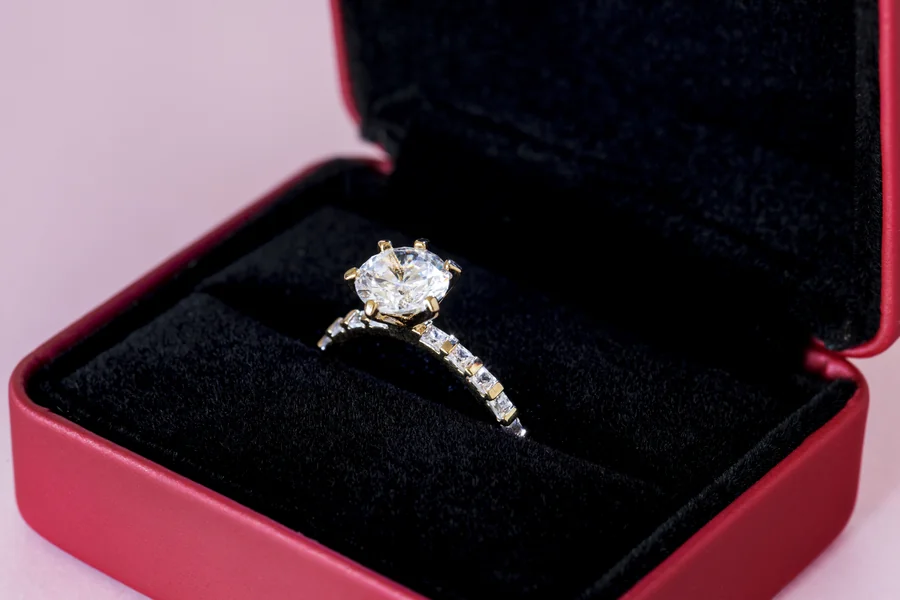
Dubai is one of the easiest places in the world to shop for fine jewellery, and that is exactly why a little preparation pays off. With so much choice, the buyers who end up happiest are the ones who know what to check before they fall for a stone. Run through this checklist, whether you live in the city or are visiting for a few days.
1. Ask for an independent grading report
A diamond should come with a report from a recognised grading laboratory. GIA, IGI and AGS are the three with real weight; IGI is especially established for lab-grown diamonds and widely accepted across the Middle East. Check that the report number matches any inscription on the stone, and read the report rather than relying on a verbal description. Keep the report with your purchase paperwork, because you will need it for insurance, resizing and any future upgrade.
The report should also state clearly whether the diamond is laboratory-grown or earth-mined. Both are real diamonds, chemically and physically the same, and the 4Cs apply equally to each. What matters is that the description is accurate.
2. Put cut first
Of the four Cs (cut, colour, clarity and carat), cut has the biggest effect on how a diamond looks. A well-cut stone returns more light and appears livelier, while a poorly cut one can look dull even at a high colour or clarity grade. Look at the stone in daylight, under shop lighting and against your own hand before deciding.
3. Check the gold, not only the stone
The metal holds the diamond for decades, so ask exactly what it is. Solid 18kt gold is durable, low-risk for skin allergies and holds its intrinsic value; plated or vermeil pieces will wear over time. Confirm the karat, ask whether the piece is hallmarked and decide between yellow and white gold based on your skin tone and the jewellery you already wear.
4. Understand the aftercare before you pay
Aftercare is where jewellers differ most, and it is easy to forget in the excitement of choosing. Before you buy a diamond in dubai, ask four questions: what does the warranty cover, how does resizing work, what is the return policy, and who handles repairs if a stone comes loose?
FYNE, which has been crafting lab-grown diamond jewellery in Dubai since 2019, is a useful example of what to look for. Its 12-month complimentary warranty covers manufacturing defects such as loose or fallen diamonds caused by normal wear, weak prongs or misaligned settings, broken locks or bracelet clasps, and faulty soldering or structure issues. After that, a Lifetime Care Promise covers services such as resizing, stone replacement, cleaning and repairs, quoted case by case. It also states plainly that customised, engraved or certified pieces are a final purchase, which is common for made-to-order jewellery and worth knowing before you commit.
5. Plan for life after the trip
If you are visiting, ask how the jeweller supports international clients. Can the piece be shipped home, and will you pay customs duties on arrival? Can it be resized or repaired from abroad, and who covers the shipping? Made-to-order pieces may also need a few weeks, so get in touch before you travel rather than on your last day in the city. Many jewellers will hold a first consultation by phone or video, so the stone can be chosen and reserved before you land.
Buying a diamond should feel exciting, not uncertain. Insist on an independent report, prioritise cut, confirm the gold and understand the aftercare before you hand over your card. Do that, and the piece you take home from Dubai will be one you can wear with complete confidence for years.