We lock our front doors without thinking twice. We don’t leave our wallets on park benches. Yet millions of people leave their entire digital lives — bank accounts, personal photos, private conversations, financial records — wide open to anyone willing to try. In 2026, cybersecurity isn’t just a concern for corporations and governments. It’s personal. And the good news is that protecting yourself doesn’t require a tech degree.
Here are the habits that actually make a difference.
Use Strong, Unique Passwords — and Stop Memorizing Them
Using the same password across multiple accounts is one of the biggest mistakes people make online. When one platform gets breached — and they do get breached — every account sharing that password is instantly at risk.
The solution is a password manager like Bitwarden, 1Password, or Dashlane. These tools generate long, complex, unique passwords for every account and remember them for you. You only need to remember one master password. It’s one of the simplest changes you can make with one of the biggest payoffs.
Turn On Two-Factor Authentication Everywhere
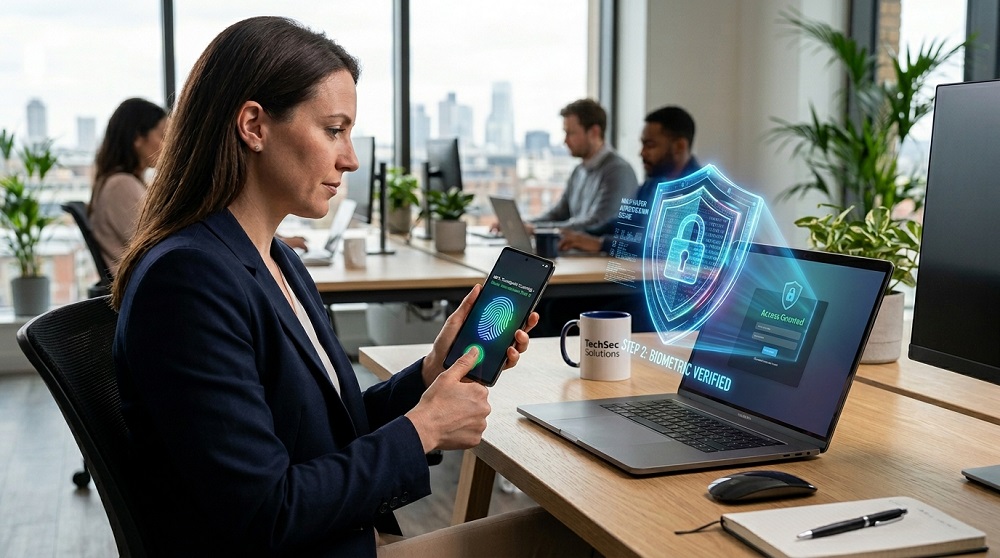
Passwords alone aren’t enough anymore. Two-factor authentication — also called 2FA — adds a second layer of verification when you log in, usually a code sent to your phone or generated by an app like Google Authenticator.
Even if someone steals your password, they can’t get in without that second factor. Enable it on every account that offers it, especially email, banking, and social media. Your email account in particular is the master key to your digital life — protect it accordingly.
Be Suspicious of Links and Attachments
Phishing attacks have become frighteningly convincing. Emails, text messages, and even social media messages that look completely legitimate are often designed to steal your credentials or install malware on your device.
The rule is simple: if you weren’t expecting a link or attachment, don’t click it. When in doubt, go directly to the website by typing the address yourself rather than clicking through. One moment of caution can prevent weeks of damage.
Keep Your Devices and Apps Updated
Software updates aren’t just about new features — they patch security vulnerabilities that hackers actively exploit. Delaying updates is essentially leaving a known door unlocked.
Turn on automatic updates wherever possible. This applies to your phone, laptop, browser, and apps. The few seconds it takes to restart a device after an update is nothing compared to the cost of a breach.
Use a VPN on Public Wi-Fi
Coffee shops, airports, and hotels offer convenient internet access — and almost zero security. Public Wi-Fi networks are prime hunting grounds for cybercriminals looking to intercept unencrypted data.
A VPN encrypts your internet connection and shields your activity from prying eyes. It’s a simple, affordable layer of protection worth using any time you’re not on a trusted private network.
Cybersecurity isn’t about paranoia. It’s about not making yourself an easy target. Most attackers look for the path of least resistance — and a few smart habits are usually enough to make them move on to someone else.