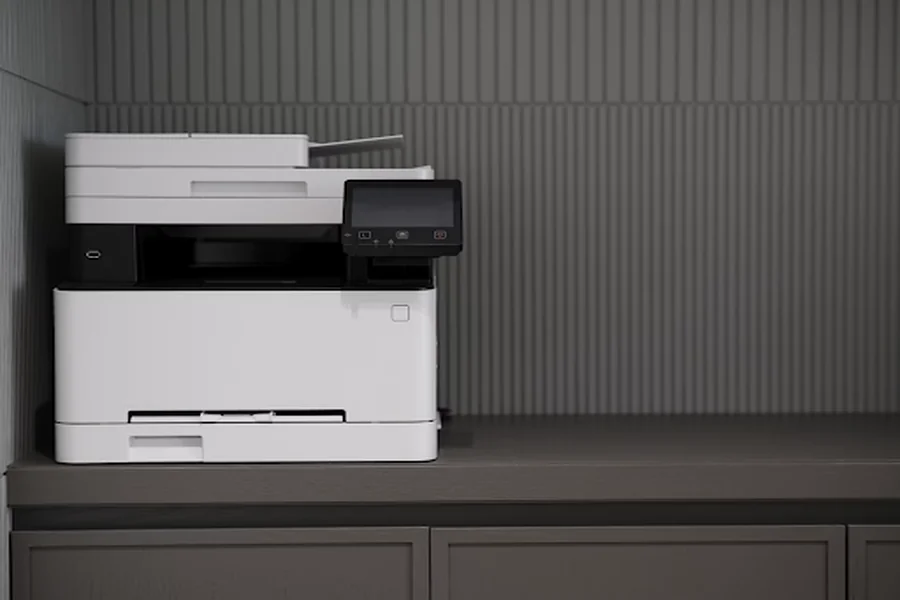
Printing remains a key part of daily operations across many workplaces, schools, government offices, and professional organisations. Reports, contracts, invoices, forms, and other business documents still require dependable printing equipment that can produce clear results without slowing productivity. Among the many printing solutions available, mono laser printers continue to stand out for their dependable performance, consistent print quality, and economical operation. Designed exclusively for black-and-white printing, these devices focus on producing sharp text at high speeds rather than supporting colour output. Their straightforward design allows organisations to handle routine printing tasks efficiently, making them a practical option for workplaces with substantial document requirements.
- How Mono Laser Printers Work
- Fast Performance for Demanding Workloads
- Lower Printing Costs Over Time
- Reliable Equipment Built for Daily Use
- Sustainable Features Supporting Responsible Printing
- Modern Connectivity for Flexible Workplaces
- Multifunction Models for Greater Workplace Efficiency
- Selecting the Right Mono Laser Printer
- Conclusion
How Mono Laser Printers Work
Mono laser printers rely on laser technology rather than liquid ink. During the printing process, a laser projects an image onto a charged drum, creating an accurate representation of the document. Toner particles attach to the selected areas on the drum before being transferred onto paper through heat and pressure. This process produces clean, crisp text with consistent quality across every page. Since toner is a dry powder instead of liquid ink, printed pages resist smudging and dry immediately after leaving the printer. This feature makes mono laser printers particularly suitable for offices that regularly produce professional documents requiring a polished appearance.
The precision of laser printing contributes to excellent readability, even with small fonts or detailed graphics. Legal paperwork, financial statements, business reports, and instructional materials all benefit from the sharp output produced by this technology. Consistent print quality from the first page to the last reduces the need for reprints and supports a more efficient workflow.
Fast Performance for Demanding Workloads
Speed remains one of the strongest advantages offered by mono laser printers. Many models can produce dozens of pages every minute, allowing large print jobs to finish within a relatively short period. Offices that generate hundreds or thousands of pages each week often rely on this capability to keep daily operations moving without interruption.
High printing speeds reduce waiting time for employees and allow multiple users to share one printer without creating lengthy queues. Staff members can collect completed documents quickly and continue with meetings, presentations, or administrative work without unnecessary delays. This steady performance becomes particularly valuable during busy periods when several departments require printed materials at the same time.
The internal design of laser printers also contributes to reliable operation during continuous use. Built to accommodate frequent printing, many models maintain stable performance throughout extended workloads without experiencing a noticeable decline in speed.
Lower Printing Costs Over Time
A mono laser printer often requires a larger purchase budget than an entry-level inkjet printer, yet many organisations recover that investment through lower operating expenses. Toner cartridges typically print thousands of pages before replacement becomes necessary, reducing interruptions and lowering the overall cost per printed page.
Businesses with regular printing needs often find this long-term value appealing. Fewer cartridge replacements save both money and staff time, allowing employees to focus on their responsibilities rather than managing printer supplies. Predictable printing costs also support better budgeting, particularly for organisations with fixed operating expenses.
The reduced frequency of replacing consumables offers another practical advantage. Offices spend less time monitoring toner levels or changing cartridges, helping maintain a smoother workflow throughout the year.
Reliable Equipment Built for Daily Use
Office equipment must withstand continuous use without frequent breakdowns. Mono laser printers are designed with durability in mind, making them suitable for workplaces that rely heavily on printed documents every day. Strong internal components support long service life, allowing many models to continue performing reliably after years of regular operation.
Maintenance requirements are often lower compared with printers that rely on liquid ink. Toner does not dry out inside the printer, reducing issues associated with clogged print heads. This dependable performance minimises downtime and helps organisations avoid interruptions that could affect productivity.
Reliable printing equipment contributes to better workplace efficiency by reducing unexpected repairs and replacement costs. Employees gain confidence that documents will be available when needed, supporting smoother business operations.
Sustainable Features Supporting Responsible Printing
Many manufacturers continue developing mono laser printers with greater attention to energy efficiency and responsible resource management. Modern models frequently include automatic sleep modes that reduce electricity consumption during periods of inactivity. Automatic double-sided printing helps reduce paper usage without requiring additional effort from users.
Recycling programmes for toner cartridges have also become more widely available, allowing businesses to reduce waste through responsible disposal methods. Longer-lasting consumables further decrease the number of replacement cartridges entering the waste stream over the lifetime of the printer.
These improvements allow organisations to manage printing requirements more responsibly without compromising productivity or document quality. Small operational changes, combined with efficient hardware, contribute to reduced environmental impact across everyday office activities.
Modern Connectivity for Flexible Workplaces
Workplaces continue adopting flexible working arrangements that rely on mobile devices, laptops, and cloud-based services. Mono laser printers have evolved alongside these changes by offering a wide range of connection options that support modern business environments.
Many current models include wireless networking, Wi-Fi Direct, Ethernet connections, and compatibility with mobile printing applications. Employees can send documents from smartphones, tablets, or notebook computers without requiring a direct cable connection. Cloud printing support allows users to print stored files from remote locations, creating greater convenience for teams working across multiple offices or from home.
These connectivity options simplify document handling and allow organisations to integrate printing into existing digital workflows without introducing unnecessary complexity.
Multifunction Models for Greater Workplace Efficiency
Many organisations prefer multifunction mono laser printers that combine printing, scanning, copying, and faxing into a single machine. Housing several document management functions within one device saves office space and reduces the number of separate machines requiring maintenance.
Staff members can complete multiple tasks from one central location, improving workflow throughout the office. Paper documents can be scanned into digital files, copied for distribution, or faxed when required without moving between different devices. This integrated approach supports efficient document management and simplifies everyday administrative work.
Businesses of varying sizes often appreciate the convenience offered by multifunction printers, particularly when office space is limited or document processing forms a significant part of daily operations.

Selecting the Right Mono Laser Printer
Choosing a suitable mono laser printer begins with understanding how the equipment will be used. Monthly print volume, expected print quality, available office space, operating costs, connectivity preferences, and additional features all influence the most appropriate choice. Some workplaces require compact desktop models for individual users, whereas larger organisations may benefit from high-capacity printers designed for shared departmental use.
Reviewing these practical requirements before purchasing helps organisations select equipment that supports both current workloads and future growth. A well-matched printer delivers dependable performance, manageable operating costs, and reliable service over many years.
Conclusion
Mono laser printers continue serving businesses and organisations that value dependable performance, sharp document quality, and economical long-term operation. Advances in printing technology have introduced faster speeds, improved energy efficiency, stronger connectivity, and versatile multifunction capabilities without compromising the reliability that has made these printers a trusted office solution. By matching printer features with everyday operational requirements, organisations can invest in equipment that supports productivity, controls printing expenses, and remains dependable as workplace technology continues to develop.