
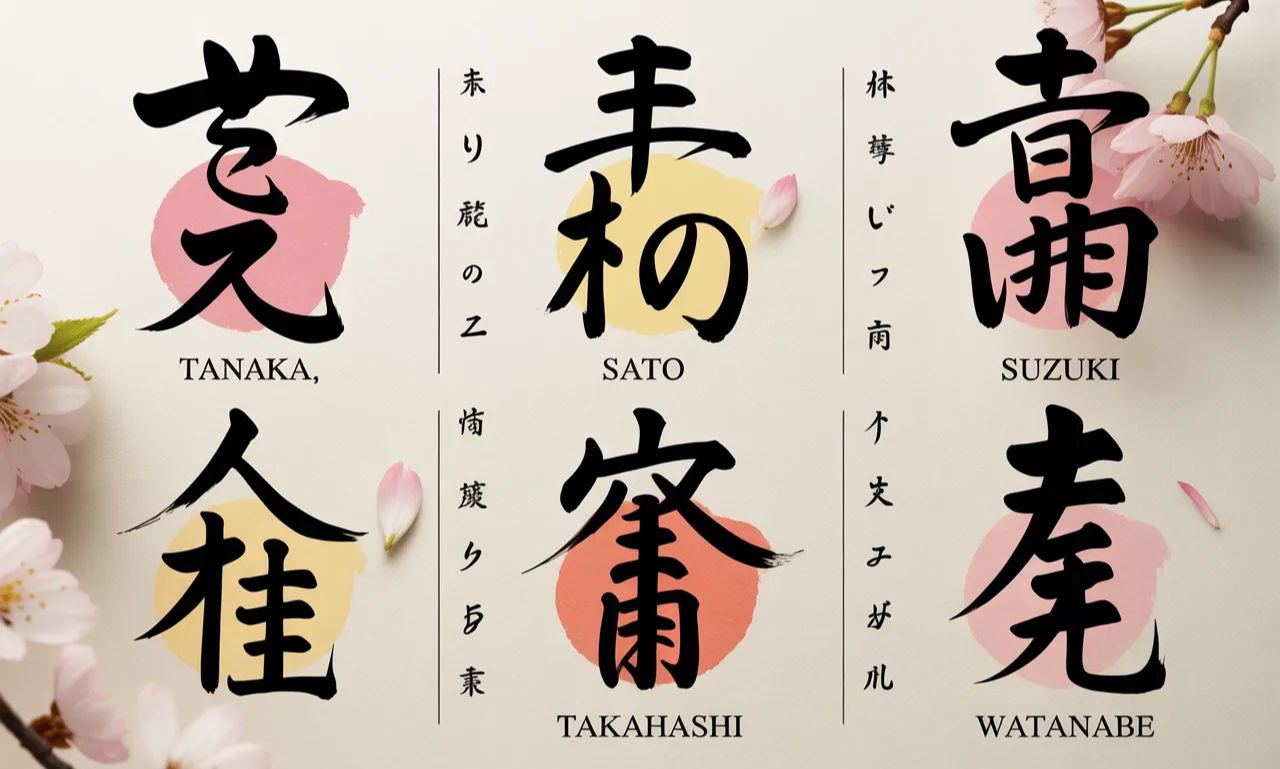

Japanese last names have a rich history that reflects culture, family, and tradition. Every surname carries a story, whether it comes from nature, noble families, or regional origins. From mountains and rivers to poetic imagery, Japanese last names reveal the connection between people and the world around them, showing how identity and heritage have shaped generations across Japan over centuries.
Some Japanese last names are poetic, rare, or symbolic, instantly drawing attention. They inspire curiosity about origins, meanings, and traditions. Learning these names is like opening a door into Japan’s history and culture, where every character and pronunciation holds depth. Discovering their hidden stories makes Japanese last names fascinating for learners, writers, and anyone exploring family heritage.
Japanese last names are more than just words. They show identity, respect, and family pride, connecting the past to the present. Understanding them helps you appreciate Japan’s unique naming traditions.
15 Most Common Japanese Last Names and What They Mean
Common Japanese last names often act like living maps of ancestry and geography. Many grew from rice fields, mountains, and noble clans that shaped Japan’s past. While thousands of surnames exist, a small circle dominates modern records. Below are widely recognized family names, explained clearly with pronunciation and meaning.
1. 佐藤 (Satō) – “Wisteria Helper”
Pronunciation: Sa-toh
Meaning: Assistant (佐) + wisteria (藤). Historically tied to the powerful Fujiwara lineage. The name suggests loyalty and noble service, often associated with northern regions of Japan.
2. 鈴木 (Suzuki) – “Bell Wood”
Pronunciation: Su-zoo-kee
Meaning: Bell (鈴) + tree/wood (木). Rooted in ancient agricultural rituals, the name symbolizes purity and harmony with nature. It is widely spread across eastern and central Japan.
3. 高橋 (Takahashi) – “Tall Bridge”
Pronunciation: Ta-ka-ha-shee
Meaning: Tall (高) + bridge (橋). Often linked to families living near elevated river crossings. The name carries a sense of strength, connection, and dependable structure.
4. 田中 (Tanaka) – “Central Rice Field”
Pronunciation: Ta-na-ka
Meaning: Rice field (田) + middle (中). A deeply agricultural surname, pointing to families who lived at the heart of fertile paddies. Simple, grounded, and extremely common nationwide.
5. 伊藤 (Itō) – “Wisteria Lineage”
Pronunciation: Ee-toh
Meaning: The character 伊 is phonetic, paired with 藤 (wisteria). Another surname linked to Fujiwara descendants. It carries an elegant, almost aristocratic historical flavor.
6. 渡辺 (Watanabe) – “River Crossing Edge”
Pronunciation: Wa-ta-na-beh
Meaning: To cross (渡) + boundary/edge (辺). Originally given to families living near ferry crossings. The name evokes movement, travel, and connection between places.
7. 山本 (Yamamoto) – “Base of the Mountain”
Pronunciation: Ya-ma-mo-toh
Meaning: Mountain (山) + base/origin (本). Typically referred to households settled at the foot of mountains. The surname feels stable, grounded, and quietly powerful.
8. 中村 (Nakamura) – “Central Village”
Pronunciation: Na-ka-moo-ra
Meaning: Center (中) + village (村). A classic rural surname from medieval communities. It reflects families who lived in the main hub of a village settlement.
9. 小林 (Kobayashi) – “Small Grove”
Pronunciation: Ko-ba-ya-shee
Meaning: Small (小) + forest/grove (林). Usually connected to people living near modest wooded areas. The name carries a gentle, pastoral feeling.
10. 加藤 (Katō) – “Increasing Wisteria”
Pronunciation: Ka-toh
Meaning: Add/increase (加) + wisteria (藤). Another Fujiwara-related surname. It suggests growth, expansion, and noble botanical symbolism.
11. 吉田 (Yoshida) – “Lucky Rice Field”
Pronunciation: Yo-shee-da
Meaning: Good fortune (吉) + rice field (田). A hopeful agricultural name implying prosperity and fertile land. Popular across many regions.
12. 山田 (Yamada) – “Mountain Rice Field”
Pronunciation: Ya-ma-da
Meaning: Mountain (山) + rice field (田). Often linked to farms located near hillsides. The name blends two classic Japanese landscape elements.
13. 佐々木 (Sasaki) – “Assistant Tree”
Pronunciation: Sa-sa-kee
Meaning: Repeated 佐 (assistant) + tree (木). Historically connected to samurai families. The name carries both natural and feudal echoes.
14. 山口 (Yamaguchi) – “Mountain Entrance”
Pronunciation: Ya-ma-goo-chee
Meaning: Mountain (山) + entrance/mouth (口). Typically referred to families living at mountain passes or valley openings. Strong geographic roots.
15. 松本 (Matsumoto) – “Base of the Pine Tree”
Pronunciation: Mat-soo-mo-toh
Meaning: Pine tree (松) + base/origin (本). Pine symbolizes longevity in Japanese culture. The surname suggests endurance, tradition, and natural resilience.
27 Beautiful Japanese Last Names with Poetic Meanings
Some Japanese surnames read like quiet poetry carved into kanji. They don’t just identify families—they paint images of seasons, skies, and soft landscapes. Many of these names grew from classical literature, regional geography, or aristocratic roots. Below is a carefully explained list of elegant Japanese last names, each carrying emotion, imagery, and cultural depth.
| # | Japanese Name | Pronunciation | Meaning | Origin / Poetic Insight |
| 1 | 桜庭 (Sakuraba) | Sa-ku-ra-ba | Cherry Blossom Garden | Rooted in spring imagery, often linked to families near blooming estates. Soft, seasonal, and visually rich. |
| 2 | 結城 (Yuki) | Yu-ki | Tied Castle / Bound Courage | Historic samurai surname. Suggests unity, protection, and refined strength from feudal Japan. |
| 3 | 綾波 (Ayanami) | A-ya-na-mee | Silk Wave | Combines elegance and motion. Evokes rippling silk over water—graceful and fluid. |
| 4 | 月野 (Tsukino) | Tsu-kee-no | Field of the Moon | Lunar-inspired surname tied to quiet rural landscapes. Dreamy and serene. |
| 5 | 白石 (Shiraishi) | Shee-rai-shee | White Stone | Suggests purity and minimal beauty. Often linked to pale river stones. |
| 6 | 花村 (Hanamura) | Ha-na-moo-ra | Flower Village | A warm countryside name connected to floral farming communities. Nostalgic and gentle. |
| 7 | 神楽坂 (Kagurazaka) | Ka-goo-ra-za-ka | Hill of Divine Music | Named after a historic Tokyo district. Carries strong traditional and cultural elegance. |
| 8 | 小雪 (Koyuki) | Ko-yu-kee | Little Snow | Winter imagery at its softest. Often associated with delicate personality traits. |
| 9 | 橘 (Tachibana) | Ta-chee-ba-na | Mandarin Orange Tree | Ancient noble clan name. Symbolizes refinement and classical Japanese heritage. |
| 10 | 花澤 (Hanazawa) | Ha-na-za-wa | Marsh of Flowers | Botanical and lush. Suggests fertile wetlands filled with blossoms. |
| 11 | 椿 (Tsubaki) | Tsu-ba-kee | Camellia | A winter-blooming flower in Japan. Represents quiet strength and beauty. |
| 12 | 雪代 (Yukishiro) | Yu-kee-shee-ro | Generations of Snow | Carries a nostalgic, almost cinematic winter feeling. Often used in literature. |
| 13 | 水無月 (Minazuki) | Mee-na-zoo-kee | Month of No Water | Old poetic name for June. Literary and deeply traditional. |
| 14 | 七海 (Nanami) | Na-na-mee | Seven Seas | Expansive and adventurous. Suggests travel, depth, and emotional breadth. |
| 15 | 美波 (Minami) | Mee-na-mee | Beautiful Wave | Youthful and bright. Often associated with coastal imagery. |
| 16 | 星野 (Hoshino) | Ho-shee-no | Field of Stars | Celestial and wide. Feels like a quiet summer night sky. |
| 17 | 蒼井 (Aoi) | A-o-ee | Blue Well | Cool-toned and calm. Suggests depth, clarity, and still water. |
| 18 | 雨宮 (Amemiya) | A-me-mee-ya | Shrine of Rain | Spiritual and atmospheric. Connected to Shinto heritage. |
| 19 | 夢野 (Yumeno) | Yu-me-no | Field of Dreams | Imaginative and surreal. Popular in modern fiction. |
| 20 | 藤咲 (Fujisaki) | Foo-jee-sa-kee | Wisteria Bloom | Elegant floral surname tied to Fujiwara lineage. |
| 21 | 紅林 (Kurebayashi) | Ku-re-ba-ya-shee | Crimson Forest | Vivid autumn imagery. Suggests beauty with intensity. |
| 22 | 千早 (Chihaya) | Chee-ha-ya | Thousand Swiftness | Classical poetic rhythm. Implies speed and grace. |
| 23 | 朝倉 (Asakura) | A-sa-koo-ra | Morning Storehouse | Historic samurai surname. Warm and dependable tone. |
| 24 | 真白 (Mashiro) | Ma-shee-ro | Pure White | Minimalist and soft. Often used for gentle characters. |
| 25 | 木下 (Kinoshita) | Kee-no-shee-ta | Under the Tree | Pastoral and grounded. Reflects rural Japanese life. |
| 26 | 華月 (Kazuki) | Ka-zoo-kee | Flower Moon | Romantic seasonal imagery blending spring and night. |
| 27 | 夏目 (Natsume) | Nat-soo-meh | Summer Eye / Summer Bud | Vintage literary surname, famously associated with classical authors. |
15 Royal & Upper-Class Japanese Surnames with Noble History
Long before surnames became common among ordinary people, elite Japanese families carried names as symbols of rank and political power. These aristocratic surnames often trace back to imperial courts, samurai warlords, and regional rulers. Each one below holds centuries of legacy, influence, and cultural weight in Japanese history.
| # | Japanese Name | Pronunciation | Meaning | Noble Origin & Historical Insight |
| 1 | 源 (Minamoto) | Mee-na-mo-to | Source / Origin | One of Japan’s most prestigious clans. Granted by emperors to royal descendants who founded powerful samurai lineages. |
| 2 | 平 (Taira) | Tai-ra | Peace | Imperial surname given to noble families. Famous for rivalry with the Minamoto during the Genpei War. |
| 3 | 藤原 (Fujiwara) | Foo-jee-wa-ra | Wisteria Field | Dominant Heian-era aristocratic family. Known for controlling politics through strategic imperial marriages. |
| 4 | 徳川 (Tokugawa) | To-ku-ga-wa | Virtuous River | The ruling family of the Tokugawa shogunate. Symbolizes authority, stability, and long-term rule. |
| 5 | 足利 (Ashikaga) | A-shee-ka-ga | Foot/Leg Hill | Samurai clan that led the Muromachi shogunate. Associated with classical Kyoto culture and military governance. |
| 6 | 北条 (Hōjō) | Ho-jo | North Castle | Powerful regent family during the Kamakura period. Known for political strategy and disciplined rule. |
| 7 | 今川 (Imagawa) | Ee-ma-ga-wa | Now River | Influential daimyo family of the Sengoku era. Once dominant in central Japan. |
| 8 | 織田 (Oda) | O-da | Woven Rice Paddy | Famous through warlord Oda Nobunaga. Represents ambition and revolutionary military power. |
| 9 | 豊臣 (Toyotomi) | To-yo-to-mee | Abundant Minister | Imperial title granted to Toyotomi Hideyoshi. Symbolizes one of Japan’s most dramatic rises to power. |
| 10 | 上杉 (Uesugi) | U-e-soo-gee | Above Cedar | Renowned samurai clan from Echigo Province. Known for strategy and refined warrior culture. |
| 11 | 島津 (Shimazu) | Shee-ma-zoo | Island Harbor | Powerful Kyushu daimyo family. Maintained strong regional influence for centuries. |
| 12 | 毛利 (Mōri) | Mo-ree | Chestnut Field | Major feudal clan in western Japan. Famous for diplomacy and naval strength. |
| 13 | 長宗我部 (Chōsokabe) | Cho-so-ka-be | Long Clan Name | Rulers of Shikoku during the Sengoku period. Known for fierce regional resistance. |
| 14 | 伊達 (Date) | Da-teh | Elegant / Dashing | Legendary clan led by Date Masamune. The name still carries a stylish, heroic reputation. |
| 15 | 真田 (Sanada) | Sa-na-da | True Field | Celebrated samurai family famous for loyalty and battlefield bravery during Japan’s unification wars. |
21 Japanese Last Names Inspired by Nature, Elements, and the Moon
Japanese surnames often grow straight out of the natural world. Mountains, rivers, wind, and moonlight quietly shaped how families named themselves centuries ago. These surnames still feel alive today—soft, elemental, and deeply visual. Below are beautifully nature-rooted Japanese last names explained with clear pronunciation, meaning, and the imagery each one carries.
1. 望月 (Mochizuki) – “Full Moon”
Pronunciation: Mo-chi-zoo-kee
Meaning: Full Moon
A classic lunar surname symbolizing completeness and quiet brilliance. Families with this name were often linked to places known for clear, bright moon views.
2. 柊 (Hiiragi) – “Holly Tree”
Pronunciation: Hee-ra-gee
Meaning: Holly Tree
Drawn from the sharp-leaf winter plant, this surname suggests protection and resilience. It carries a crisp, seasonal feeling.
3. 英華 (Hanabusa) – “Flower Petals”
Pronunciation: Ha-na-boo-sa
Meaning: Flower Petals
Elegant and refined, this name paints a soft floral image. It often appears in old noble lineages and literary works.
4. 火野 (Hino) – “Field of Fire”
Pronunciation: Hee-no
Meaning: Field of Fire
Bold and energetic, this surname blends landscape with elemental heat. It suggests intensity and strong presence.
5. 月岡 (Tsukioka) – “Hill of the Moon”
Pronunciation: Tsu-kee-o-ka
Meaning: Moon Hill
A romantic geographic name that evokes moonrise over quiet hills. Calm, scenic, and deeply poetic.
6. 青葉 (Aoba) – “Blue/Green Leaves”
Pronunciation: A-o-ba
Meaning: Fresh Leaves
This surname reflects spring renewal and gentle growth. It feels youthful and refreshing.
7. 雪村 (Yukimura) – “Snow Village”
Pronunciation: Yu-kee-moo-ra
Meaning: Snow Village
Soft winter imagery defines this peaceful rural surname. It carries a calm, storybook atmosphere.
8. 風間 (Kazama) – “Between Winds”
Pronunciation: Ka-za-ma
Meaning: Between Winds
Light and mobile, this name suggests open spaces where wind constantly moves. It often implies freedom and motion.
9. 水原 (Mizuhara) – “Water Field”
Pronunciation: Mee-zoo-ha-ra
Meaning: Water Field
Rooted in fertile farmland imagery, this surname reflects land nourished by flowing water.
10. 光月 (Kōzuki) – “Moonlight”
Pronunciation: Ko-zoo-kee
Meaning: Moonlight
Luminous and rare, this name glows with soft celestial beauty. It feels elegant and slightly mystical.
11. 藤森 (Fujimori) – “Wisteria Grove”
Pronunciation: Foo-jee-mo-ree
Meaning: Wisteria Forest
A graceful botanical surname tied to the prestigious Fujiwara lineage. Deeply traditional.
12. 木下 (Kinoshita) – “Under the Tree”
Pronunciation: Kee-no-shee-ta
Meaning: Beneath the Tree
Pastoral and grounded, this name reflects quiet life close to nature and farmland.
13. 雨宮 (Amemiya) – “Shrine of Rain”
Pronunciation: A-me-mee-ya
Meaning: Rain Shrine
Spiritual and atmospheric, this surname blends weather with sacred space.
14. 桐生 (Kiryū) – “Paulownia Dragon”
Pronunciation: Kee-ryoo
Meaning: Paulownia Dragon
A striking mix of sacred tree symbolism and mythic power. Both botanical and legendary.
15. 空閑 (Kuga) – “Still Sky”
Pronunciation: Koo-ga
Meaning: Quiet Sky
Wide and peaceful, this rare surname suggests open heavens and calm horizons.
16. 波多野 (Hatano) – “Field of Waves”
Pronunciation: Ha-ta-no
Meaning: Wave Field
Fluid and rhythmic, inspired by coastal or riverside landscapes.
17. 炎尾 (Homurao) – “Flame Tail”
Pronunciation: Ho-moo-ra-o
Meaning: Flame Tail
Fiery and uncommon, this surname carries intense elemental energy.
18. 月野 (Tsukino) – “Moon Field”
Pronunciation: Tsu-kee-no
Meaning: Moon Field
Soft lunar countryside imagery makes this name dreamy and serene.
19. 千草 (Chigusa) – “Thousand Grasses”
Pronunciation: Chee-goo-sa
Meaning: Thousand Grasses
A lush meadow name symbolizing abundance and natural spread.
20. 木村 (Kimura) – “Tree Village”
Pronunciation: Kee-moo-ra
Meaning: Tree Village
One of the most grounded nature surnames in Japan, rooted in woodland communities.
FAQ’s
What are Japanese last names?
Japanese last names are family names passed down generations.They often reflect geography, nature, occupation, or noble lineage, carrying cultural and historical significance across Japan.
Why do Japanese surnames come before first names?
In Japan, family is prioritized over the individual, so the surname comes first.This order shows respect for heritage and emphasizes familial identity in social and professional settings.
How many Japanese last names exist in Japan?
There are over 290,000 unique Japanese surnames, though a small number like Satō or Suzuki dominate the population.Each name has its own history, regional origin, and meaning.
What do poetic Japanese surnames symbolize?
Poetic surnames often use nature, seasons, or celestial imagery.They express elegance, beauty, and emotional resonance, and are popular in literature, anime, and traditional culture.
Are Japanese noble surnames still used today?
Yes, surnames like Minamoto, Fujiwara, or Tokugawa exist but mainly in historical or cultural contexts.Modern families may carry these names as symbols of heritage, not political power.
Conclusion
Japanese last names are more than just identifiers—they are windows into history, culture, and geography. From noble lineages like Minamoto and Tokugawa to poetic names inspired by nature, each surname carries stories of ancestry, regional heritage, and centuries of Japanese tradition. Understanding these names allows us to appreciate the depth, symbolism, and artistry behind the words people carry every day.
Whether you are exploring common, poetic, or nature-inspired Japanese surnames, these names reveal the beauty of language and identity. They connect the past to the present, offering insight into Japanese society, family pride, and cultural values. By learning their meanings and origins, we can celebrate the uniqueness of each surname and the legacy it represents.

Grayson Pike is a pop culture enthusiast and entertainment writer with a sharp eye for celebrity trends. He explores Hollywood stories, interviews, and behind-the-scenes insights, delivering engaging content with a unique voice. Grayson combines curiosity and expertise to keep readers informed and entertained in the fast-paced world of fame.
