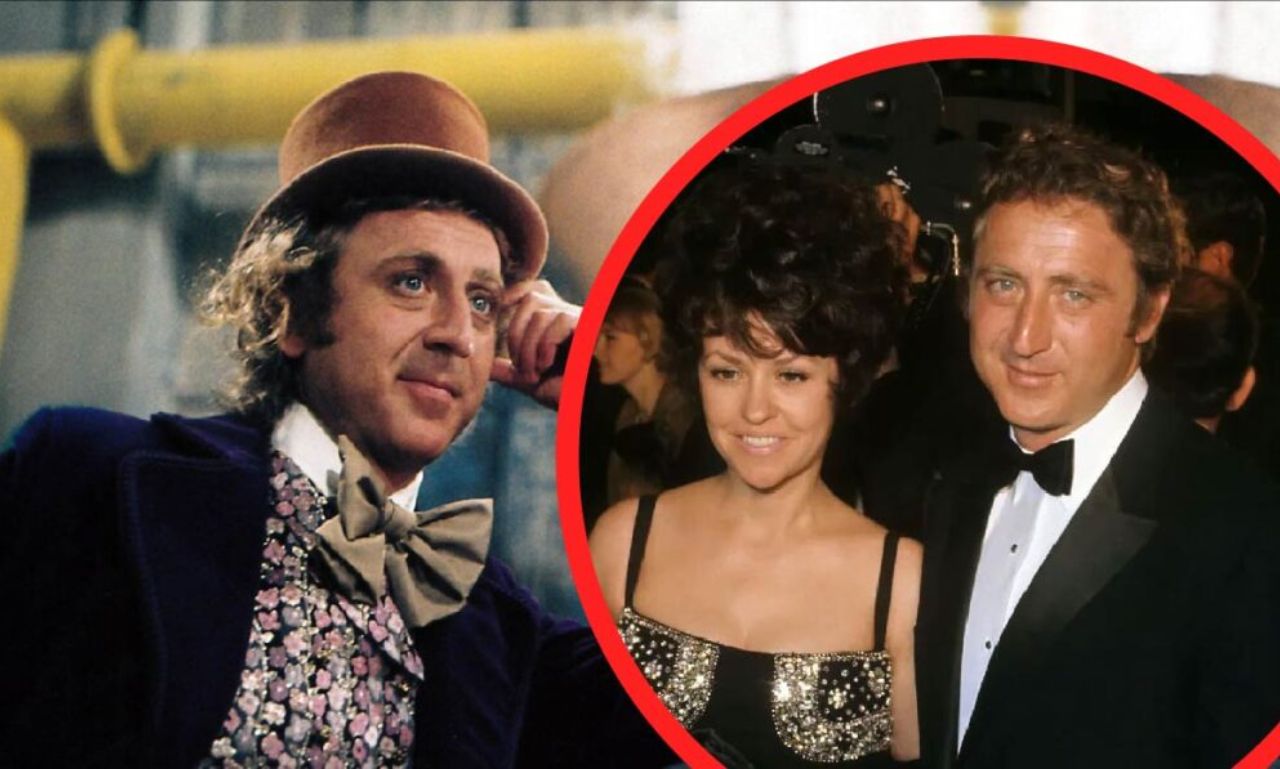
Mary Joan Schutz is widely recognized for her enduring connection to the legendary comic actor Gene Wilder. As his third wife, she played a vital role in his personal life during a definitive era of his Hollywood career. Their unique relationship and subsequent celebrity marriage brought her into the public eye, sparking a lasting interest in her own life story and biographical background.
Did you know their relationship inspired one of cinema’s most iconic roles? Many sources suggest that it was her daughter who motivated Wilder to accept the magical role of Willy Wonka, forever changing pop culture history. This captivating connection highlights how her private family dynamics directly shaped classic Hollywood cinema behind the scenes.
Today, her legacy remains tied to this golden era of entertainment. Fans and biography researchers still look into her net worth, lifestyle, and historical relationship timeline. Her quiet presence next to a comedic genius left an undeniable mark on entertainment history.
- Who Is Mary Joan Schutz?
- Early Life and Background of Mary Joan Schutz
- How Mary Joan Schutz Met Gene Wilder
- Mary Joan Schutz and Gene Wilder’s Marriage
- Family Life and Children
- Challenges in Their Relationship
- Why Did Mary Joan Schutz and Gene Wilder Divorce?
- Life After Divorce
- Mary Joan Schutz’s Private Lifestyle Away From Hollywood
- Relationship With Gene Wilder’s Legacy
- Interesting Facts About Mary Joan Schutz
- Mary Joan Schutz Net Worth and Lifestyle
- FAQ’s
- Who is Mary Joan Schutz?
- How did Mary Joan Schutz meet Gene Wilder?
- Did Mary Joan Schutz have any children?
- Why did Mary Joan Schutz divorce her famous husband?
- Where is Mary Joan Schutz today?
Who Is Mary Joan Schutz?
Mary Joan Schutz is an American public figure who entered the cultural lexicon during the late 1960s. She became an object of widespread media attention due to her high-profile romantic involvement with world-renowned comedic performer, writer, and director Gene Wilder. Unlike many figures operating within the golden age of American cinema, Schutz was a private citizen rather than a professional actress or theater producer. This distinction allowed her to offer a grounded, stable sanctuary for Wilder during his explosive transition from a New York stage actor into a global box office sensation.
Her placement in Hollywood’s historic timeline aligns with the emergence of the New Hollywood film movement. This era valued intense realism, experimental comedy, and deeply expressive character studies. Because she shared her life with one of the primary faces of this movement, her personal narrative has become a vital piece of archival interest for modern celebrity historians and film enthusiasts. Her life story serves as a fascinating lens through which to examine how domestic life and family relationships interacted with the high-stakes pressures of mid-century celebrity culture.
Early Life and Background of Mary Joan Schutz
Long before she ever walked the red carpets of major film premieres, she lived a life entirely separated from the mechanics of the entertainment industry. Born and raised in the United States, her formative years were shaped by traditional mid-century American values, focusing heavily on education, community, and personal privacy. This conventional biographical background would later contrast sharply with the eccentric, high-visibility world of show business that she would inhabit during her adult years.
Historical records indicate that before meeting Wilder, she was previously married and had given birth to a daughter named Katharine. Navigating the realities of being a single mother in the 1960s required immense resilience and independence. Schutz dedicated her early adulthood to providing a stable, protective environment for her young child. This fierce maternal instinct and dedication to family values became her defining personal characteristic, one that would later dictate major creative decisions within classic American cinema history.
How Mary Joan Schutz Met Gene Wilder
The initial introduction between Mary Joan Schutz and Gene Wilder occurred through a classic stroke of familial matchmaking. In the mid-1960s, Wilder was dealing with the emotional aftermath of his divorce from his first wife, stage actress Mary Mercier. Seeking a sense of personal renewal, Wilder spent significant time with his sister, Corinne Silberman. Recognizing that her brother needed a grounded, compassionate partner who existed outside the chaotic vacuum of the theater world, Silberman arranged a meeting with Schutz, who was one of her close personal friends.
Their first meeting took place in New York, far away from the commercial glare of Los Angeles film studios. The chemistry between them was immediate, rooted in shared intellectual interests and a mutual desire for a quiet, meaningful domestic life. Wilder was drawn to her steady demeanor, while Schutz appreciated the deep sensitivity and quiet intelligence that lay beneath his erratic public comedic persona. Their courtship progressed rapidly, providing a vital source of emotional healing for the rising star.
Mary Joan Schutz and Gene Wilder’s Marriage
The couple formalized their relationship on July 22, 1967, in an intimate wedding ceremony surrounded by close relatives and trusted peers. This union marked the official beginning of a major chapter in Wilder’s life, as his matrimonial timeline now included a dedicated partner and an immediate stepdaughter. The early years of their marriage were characterized by intense professional momentum, as Wilder secured his iconic breakout role as Leo Bloom in Mel Brooks’ satirical masterpiece The Producers (1967).
| Key Marital Milestones | Historical Dates & Details |
| Wedding Date | July 22, 1967 (Private Family Ceremony) |
| Breakout Film Launch | 1967 (The Producers release and Oscar campaign) |
| Legal Stepchild Adoption | Late 1967 (Katharine officially becomes a Wilder) |
| Willy Wonka Casting | 1970 (Influenced entirely by domestic family dynamics) |
| Official Separation Year | 1974 (Followed by final legal divorce proceedings) |
The data above highlights how closely their domestic partnership aligned with the definitive peak of Wilder’s artistic output. Schutz managed their household with immense skill, ensuring that their home remained a peaceful sanctuary where Wilder could write scripts, study character motivations, and escape the growing pressures of his expanding global fan base.
Family Life and Children
The definitive emotional core of their household revolved around Schutz’s daughter, Katharine. Shortly after the marriage ceremony was finalized, Wilder took the profound legal step of officially adopting Katharine as his own child. He gave her his legal surname and threw himself into the role of a protective, doting father with unmatched enthusiasm. Because Wilder had no biological children of his own, his relationship with Katharine became the most significant paternal bond of his entire life.
This specific parental dynamic yielded one of the most famous behind-the-scenes stories in movie history. When Wilder was offered the titular role in the 1971 musical fantasy film Willy Wonka & the Chocolate Factory, he was deeply uncertain about whether to accept the part. It was young Katharine, an avid fan of Roald Dahl’s original children’s literature, who pleaded with her stepfather to take the role. Wilder later admitted that he designed his entire whimsical, legendary performance specifically to delight and mystify his young daughter on set.
Challenges in Their Relationship
While the early years of the marriage were filled with shared artistic triumphs and domestic warmth, the lifestyle demands of a top-tier Hollywood celebrity began to introduce severe structural cracks into the relationship. By the early 1970s, Wilder was no longer just a respected character actor; he had transformed into a major commercial force. The reality of long-distance location shooting, endless international press junkets, and late-night writing sessions meant that he was frequently absent from the family home for months at a time.
Furthermore, the psychological toll of fame began to affect their mutual communication. Schutz found herself increasingly isolated, navigating the responsibilities of motherhood while trying to anchor a husband who was constantly pulled away by studio executives, agents, and adoring fans. The glitz and glamour of high-society film premieres could not mask the growing emotional distance between the partners, as their daily routines and personal priorities grew increasingly incompatible.
Why Did Mary Joan Schutz and Gene Wilder Divorce?
The ultimate dissolution of the marriage occurred in 1974, driven by a combination of professional exhaustion and severe personal betrayal. During the production of the 1974 horror-comedy classic Young Frankenstein, Wilder developed a deeply intense, emotionally charged relationship with his brilliant co-star, Madeline Kahn. Although Wilder maintained throughout his life that their connection during this specific filming period was strictly platonic, the obvious emotional intimacy and shared creative obsession caused immense pain within his own household.
Schutz concluded that the marriage had lost its foundational trust and mutual respect. Unable to reconcile the demands of Wilder’s public lifestyle with her need for private security, she initiated legal separation proceedings. The divorce was finalized in late 1974.
The split had devastating long-term consequences for the family unit, most notably causing a total breakdown in communication between Wilder and his adopted daughter, Katharine. Believing that her stepfather had deeply wronged her mother, Katharine severed all ties with him, embarking on an estrangement that lasted until Wilder’s passing decades later.
Life After Divorce
Following the completion of the legal divorce proceedings, she made a definitive, uncompromising choice to completely vanish from the public eye. Unlike many individuals who seek to monetize their past associations with Hollywood royalty, she refused to grant media interviews, sell personal letters to gossip tabloids, or draft a tell-all biographical memoir. This dignified retreat into total anonymity allowed her to reclaim her autonomy and protect her mental well-being.
Her immediate priority was ensuring that Katharine could grow up completely insulated from the toxic elements of celebrity culture and invasive paparazzi tracking. She relocated away from major entertainment capitals, establishing a quiet, conventional lifestyle focused on career development, standard community involvement, and private family healing. This clean break from show business allowed both mother and daughter to rebuild their lives on their own terms, free from the shadow of the Willy Wonka legacy.
Mary Joan Schutz’s Private Lifestyle Away From Hollywood
Living as a private citizen in the decades following her divorce, she built a fulfilling life rooted in absolute discretion. She successfully built a wall of privacy around her personal affairs, ensuring that her employment history, residential locations, and subsequent relationship statuses remained entirely shielded from digital tracking and public registries. This commitment to living quietly stands as a rare and respectable feat in an era dominated by the pursuit of personal fame.
Her lifestyle was defined by a deliberate rejection of celebrity validation. While Gene Wilder went on to marry the iconic comedian Gilda Radner and later found long-term peace with Karen Boyer, Schutz remained entirely content with her quiet independence. She prioritized long-term personal stability, deep local friendships, and active support for her daughter’s adult endeavors, proving that true personal fulfillment does not require the approval of a public audience.
Relationship With Gene Wilder’s Legacy
Despite her total absence from the media landscape, her historical footprint remains permanently intertwined with Gene Wilder’s artistic legacy. Film scholars, cultural historians, and biographers analyzing Wilder’s golden career era inevitably point to his time with Schutz as his most creatively transformative phase. The stability she provided during the creation of his most famous films makes her a crucial, albeit silent, architect of classic comedy history.
Furthermore, the enduring mystery surrounding her daughter’s total estrangement from Wilder continues to be a poignant topic of discussion among fans. Wilder spoke openly in his later memoirs about the immense grief he carried due to losing contact with Katharine, openly weeping during television interviews when discussing his hope for a eventual reconciliation. Because Schutz was the protective mother at the center of this emotional drama, her perspective remains a deeply respected, unbroken secret within Hollywood lore.
Interesting Facts About Mary Joan Schutz
To provide a quick, scannable overview of her unique life, the following bulleted list compiles some of the most compelling, verified details regarding her historical footprint:
- Sisterly Setup: Her entire relationship with Gene Wilder was made possible because she was a trusted confidante of Wilder’s sister, Corinne Silberman, who acted as the primary matchmaker.
- The Costume Secret: To ensure her daughter Katharine experienced true cinematic magic, Gene Wilder hid his iconic purple Willy Wonka velvet coat from her until she walked onto the actual film set.
- Complete Media Silence: Over a five-decade period, she never once broke her silence or sought financial compensation for sharing intimate details about her life with Wilder.
- The Only Child: Through her daughter Katharine, she provided Gene Wilder with the only experience of fatherhood he would ever have across his four marriages.
Mary Joan Schutz Net Worth and Lifestyle
Discussing the financial status of a deeply private individual requires looking closely at historical divorce structures and asset distribution models of the mid-1970s. Because she did not pursue a commercial career within show business or establish corporate brands, her financial standing was primarily determined by her independent professional endeavors and the legal divorce settlement secured from Wilder in 1974.
The legal settlement ensured that she received adequate spousal maintenance and substantial child support to guarantee that Katharine received elite educational opportunities and a comfortable upbringing. Over the decades, various digital asset tracking profiles have attempted to estimate her personal net worth, but these figures remain entirely speculative due to her lack of public asset disclosures. Her true wealth was reflected not in public financial statements, but in her rich, undisturbed lifestyle of peace, privacy, and absolute personal freedom away from the toxic mechanisms of Hollywood fame.
FAQ’s
Who is Mary Joan Schutz?
Mary Joan Schutz was the second wife of Gene Wilder, known for supporting him during his peak Hollywood era.
How did Mary Joan Schutz meet Gene Wilder?
Mary Joan Schutz met Gene Wilder through his sister, Corinne Silberman, who arranged a successful blind date in New York.
Did Mary Joan Schutz have any children?
She had a daughter named Katharine, whom Gene Wilder legally adopted and raised as his own child during marriage.
Why did Mary Joan Schutz divorce her famous husband?
The couple divorced due to long-distance filming pressures and Wilder’s intense creative relationship with co-star Madeline Kahn.
Where is Mary Joan Schutz today?
She completely withdrew from the entertainment industry to live a peaceful, private life completely away from media scrutiny.