
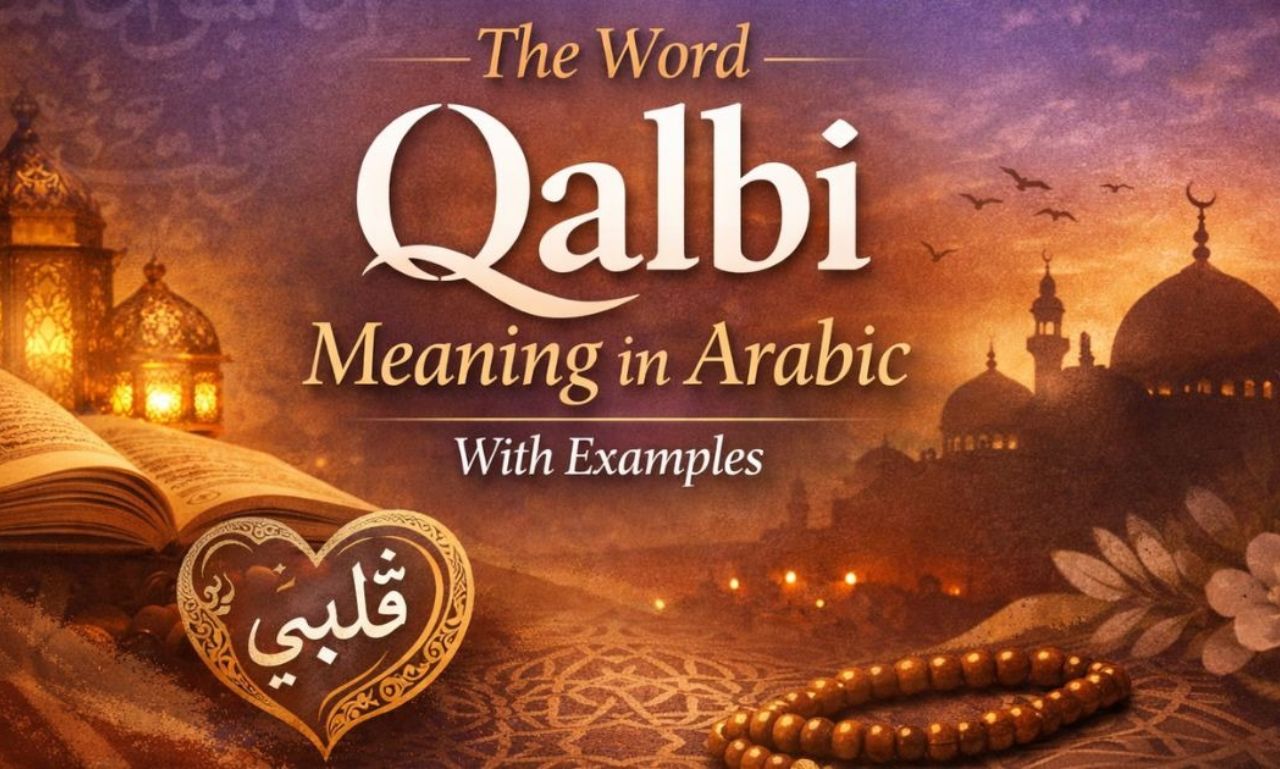

Exploring the concept of Qalbi in Arabic reveals a world of profound emotion and cultural heritage. This term goes far beyond a simple anatomical definition; it represents the very soul of how people express sincerity and devotion. By understanding this vocabulary, you gain a genuine connection to the linguistic nuances that define Middle Eastern communication and interpersonal relationships today.
Have you ever felt that English words just cannot capture the intensity of your innermost feelings? Traditional translations often fail to convey the spiritual weight held within the tri-literal root system. In this comprehensive guide, we dive into the phonetic articulation and grammatical structures that make this expressive term so iconic in classical literature and modern dialects.
Learning this key phrase is your first step toward linguistic fluency. We will break down possessive suffixes and contextual usage to help you speak with confidence. Whether for romantic poetry or daily greetings, this masterclass ensures you grasp the true essence of the heart beautifully.
Qalbi Meaning in Arabic
The term qalbi serves as a profound window into the soul of the Arabic language. It moves beyond a simple anatomical reference, acting as a bridge between physical existence and spiritual depth. By mastering this word, you unlock the ability to communicate your most sincere internal emotions.
- Qalbi (قَلْبِي): Pronounced: Qal-bee. Meaning “My heart,” representing personal emotional ownership.
- Qalb (قَلْب): Pronounced: Qalb. The literal core or “heart” of any matter or being.
- Fu’adi (فُؤَادِي): Pronounced: Foo-ah-dee. Meaning “My heart,” specifically referring to the seat of intense passion.
- Lubbi (لُبِّي): Pronounced: Loob-bee. Meaning “My essence” or the very innermost part of the heart.
- Sadri (صَدْرِي): Pronounced: Sad-ree. Literally “My chest,” often used to describe the expansive space of the heart.
- Ruhi (رُوحِي): Pronounced: Roo-hee. Meaning “My soul,” used as a deep spiritual synonym for the heart.
- Hayati (حَيَاتِي): Pronounced: Ha-ya-tee. Meaning “My life,” expressing that someone is the heartbeat of your existence.
- Habib al-Qalb (حَبِيبُ القَلْب): Pronounced: Ha-beeb-al-qalb. Meaning “Beloved of the heart” or a soulmate.
- Noor Qalbi (نُورُ قَلْبِي): Pronounced: Noor-qal-bee. Meaning “The light of my heart” or a source of guidance.
- Sakinat Qalbi (سَكِينَةُ قَلْبِي): Pronounced: Sa-kee-nat-qal-bee. Meaning “The tranquility of my heart” or peace.
- Malik Qalbi (مَلِكُ قَلْبِي): Pronounced: Ma-lik-qal-bee. Meaning “The king of my heart” or the one in control.
- Damir (ضَمِير): Pronounced: Da-meer. Meaning “Conscience,” or the moral voice within the heart.
- Janani (جَنَانِي): Pronounced: Ja-na-nee. A poetic term for “My heart,” implying a hidden, secret garden.
- Sirr (سِر): Pronounced: Seer. Meaning “Secret,” referring to the heart’s most private intentions.
- Suwayda al-Qalb (سُوَيْدَاءُ القَلْب): Pronounced: Soo-way-da. Meaning “The black spot” or the deepest, most hidden core.
- Nabd (نَبْض): Pronounced: Nabz. Meaning “Pulse,” the physical rhythm that proves the heart is alive.
- Wajd (وَجْد): Pronounced: Wajd. Meaning “Intense love” or the emotional ecstasy felt by the heart.
- Shaghaf (شَغَف): Pronounced: Sha-ghaf. Meaning “Passion,” specifically the outer layer of the heart being touched.
- Mawadda (مَوَدَّة): Pronounced: Ma-wad-da. Meaning “Affection,” a heart filled with kindness and love.
- Ikhlas (إِخْلَاص): Pronounced: Ikh-laas. Meaning “Sincerity,” a heart that is pure and dedicated.
How to Pronounce “Qalbi” Correctly in Arabic
Achieving a native-like sound requires mastering the distinction between the deep “Q” and the common “K.” Many learners struggle with the guttural origin of this word. Proper articulation ensures your message is received with the respect and emotional weight it deserves in conversation.
- The Deep Qaf (ق): Sound: Guttural. Engage the back of the throat for a deep, “popping” Q sound.
- The Short Fatha (ـَ): Sound: Ah. Keep the “a” in Qalbi short and crisp, like “cup.”
- The Clear Lam (ل): Sound: L. Place the tongue behind the upper teeth for a bright “L.”
- The Soft Ba (ب): Sound: B. A gentle lip closure, not as heavy as a “P.”
- The Long Ya (ي): Sound: Ee. Extend the final vowel to signify the “my” possessive part.
- The Silent Sukun (ـْ): Sound: Stop. Briefly pause on the “L” sound before moving to “B.”
- The Guttural Trap: Avoid “Kalbi” (dog); the “Q” must be deep, not a “K.”
- The Resonant Flow: Say the word as a rhythmic “Qal-Bee” with equal weight.
- The Throat Vibration: You should feel the muscles in your upper neck tighten slightly.
- The Breath Control: Do not release too much air on the “Q,” or it becomes a “Kh.”
- Mesa-Style Precision: In Formal Arabic, the “Q” is sharp and distinct.
- Levantine Softening: In dialects like Lebanese, the “Q” might sound like a soft “A.”
- Egyptian Substitution: Note that Cairenes often pronounce “Qalbi” as “Al-bi.”
- Gulf Emphasis: In the Khaliji dialect, the “Q” is often very deep and resonant.
- The “Bee” Emphasis: Ensure the “B” and “Ee” are clear to distinguish possession.
- Phonetic Anchor: Use the word “Qatar” to practice the correct “Q” starting sound.
- Nasal Neutrality: Ensure no air escapes through the nose during the “Q” sound.
- Tongue Placement: Keep the tip of the tongue low during the initial “Q.”
- Vocal Chord Snap: The “Q” is a “stop” sound, meaning the air is momentarily blocked.
- Auditory Check: Record yourself saying “Qalbi” and ensure it sounds hollow and deep.
Linguistic Root and Grammatical Usage
Understanding the tri-literal root system is the secret to mastering Arabic vocabulary. The root Q-L-B is incredibly versatile, appearing in hundreds of words related to change, turning, and the center. Grasping these mechanics allows you to predict meanings of unfamiliar words effortlessly.
- Q-L-B (ق ل ب): The foundational root, primarily meaning “to turn” or “to flip.”
- Qalbi (قَلْبِي): First-person singular possessive (My heart).
- Qalbuka (قَلْبُكَ): Second-person masculine possessive (Your heart).
- Qalbuki (قَلْبُكِ): Second-person feminine possessive (Your heart).
- Qalbuhu (قَلْبُهُ): Third-person masculine possessive (His heart).
- Qalbuha (قَلْبُهَا): Third-person feminine possessive (Her heart).
- Qalbuna (قَلْبُنَا): First-person plural possessive (Our heart).
- Quloob (قُلُوب): The “broken plural” form meaning “hearts” in general.
- Maqlub (مَقْلُوب): A passive participle meaning “turned upside down” or “inverted.”
- Inqilab (انْقِلَاب): A verbal noun meaning “a revolution” or “a total change.”
- Mutaqallib (مُتَقَلِّب): An adjective for something “fluctuating” or “moody.”
- Qallaba (قَلَّبَ): A verb meaning “to turn over” or “to shuffle” (like pages).
- Taqallub (تَقَلُّب): The noun for “instability” or “constant shifting.”
- Qalbi (قَلْبِيّ): When used as an adjective, it means “cardiac” or “heart-related.”
- Al-Muqallib (المُقَلِّب): One of the names of God: “The Turner of Hearts.”
- Inqalaba (انْقَلَبَ): The reflexive verb meaning “it turned into” or “it transformed.”
- Qalban wa Qalban (قَلْباً وَقَالِباً): An idiom meaning “entirely” or “inside and out.”
- Qalb al-Mawdu’ (قَلْبُ المَوْضُوع): Meaning “The heart of the matter” or the main point.
- Istiqlaab (اسْتِقْلاب): A technical term for “metabolism” (turning food into energy).
- Qaliba (قَالِب): Meaning “a mold” or “a frame” that shapes something.
Examples of “Qalbi” in Arabic Sentences
Using qalbi in a sentence requires a delicate balance of grammar and emotion. In Arabic, the heart is often treated as an independent entity that can speak, feel, or travel. These examples demonstrate how to weave the word into natural, high-level conversation.
- Qalbi la yansa al-ma’roof (قَلْبِي لَا يَنْسَى المَعْرُوفَ): My heart never forgets a kindness. (Gratitude)
- Anta sakun qalbi (أَنْتَ سَكَنُ قَلْبِي): You are the stillness/dwelling of my heart. (Deep peace)
- Qalbi maftooh laka da’iman (قَلْبِي مَفْتُوحٌ لَكَ دَائِمًا): My heart is always open to you. (Trust)
- Hada’a qalbi b’ada ru’yatik (هَدَأَ قَلْبِي بَعْدَ رُؤْيَتِكَ): My heart settled after seeing you. (Relief)
- Qalbi yush’iru bi hadha (قَلْبِي يُشْعِرُ بِهَذَا): My heart feels this (Intuition).
- La taj’al qalbi yantadhir (لَا تَجْعَلْ قَلْبِي يَنْتَظِرُ): Do not make my heart wait. (Longing)
- Qalbi ya’rifu al-haqiqa (قَلْبِي يَعْرِفُ الحَقِيقَةَ): My heart knows the truth. (Certainty)
- Asfaytu qalbi min al-huqd (أَصْفَيْتُ قَلْبِي مِنَ الحِقْدِ): I cleared my heart of grudge. (Self-growth)
- Qalbi yakhfiku bi-shidda (قَلْبِي يَخْفِقُ بِشِدَّةٍ): My heart is thumping intensely. (Excitement/Fear)
- Innaka fi suwayda’ qalbi (إِنَّكَ فِي سُوَيْدَاءِ قَلْبِي): You are in the deepest core of my heart. (Intimacy)
- Qalbi haneen ilayka (قَلْبِي حَنِينٌ إِلَيْكَ): My heart is pure nostalgia for you. (Missing someone)
- Allahumma thabbit qalbi (اللَّهُمَّ ثَبِّتْ قَلْبِي): O Allah, make my heart firm. (Supplication)
- Qalbi laysa bi-yadi (قَلْبِي لَيْسَ بِيَدِي): My heart is not in my hands (I can’t control my feelings).
- Kuntu hadira bi-qalbi (كُنْتُ حَاضِرًا بِقَلْبِي): I was present with my heart (sincerity).
- Qalbi ya’shaku al-jamal (قَلْبِي يَعْشَقُ الجَمَالَ): My heart adores beauty. (Appreciation)
- La taksir qalbi (لَا تَكْسِرْ قَلْبِي): Do not break my heart. (Vulnerability)
- Qalbi murtah lihadha al-qarar (قَلْبِي مُرْتَاحٌ لِهَذَا القَرَارِ): My heart is at ease with this decision.
- Anta nabd qalbi (أَنْتَ نَبْضُ قَلْبِي): You are the pulse of my heart. (Devotion)
- Qalbi yubshiru ma la tarahu al-’ayn (قَلْبِي يُبْصِرُ مَا لَا تَرَاهُ العَيْنُ): My heart sees what the eye cannot.
- Istafti qalbaka (اسْتَفْتِ قَلْبَكَ): Consult your heart (Seek your inner truth).
Common Expressions and Phrases Using “Qalbi”
Arabic is rich with idiomatic expressions that use the heart as a metaphor for character and social connection. Mastering these phrases will make you sound more like a native speaker and less like a textbook. These “street-smart” phrases are used from Marrakesh to Muscat.
- Ya Habibi Qalbi (يَا حَبِيبَ قَلْبِي): O beloved of my heart. (Classic endearment)
- Min Kulli Qalbi (مِنْ كُلِّ قَلْبِي): With all my heart. (Expressing total sincerity)
- Qalbi ‘Alayk (قَلْبِي عَلَيْكَ): My heart is upon you (I am worried/care for you).
- Abyad al-Qalb (أَبْيَضُ القَلْب): White-hearted. (Meaning someone is pure and kind)
- Qalbuha Dhahab (قَلْبُهَا ذَهَب): Her heart is gold. (Generosity)
- Nur al-Qalb (نُورُ القَلْب): Light of the heart. (Someone who brings joy)
- Qalbi al-Tayyeb (قَلْبِي الطَّيِّب): My kind heart. (Self-reference to one’s soft nature)
- Dua’a al-Qalb (دُعَاءُ القَلْب): The prayer of the heart. (A silent, sincere wish)
- Qalbi Ma’ak (قَلْبِي مَعَكَ): My heart is with you. (Sympathy/Support)
- Kalam min al-Qalb (كَلَامٌ مِنَ القَلْب): Words from the heart. (Genuine talk)
- Qalbi Dalili (قَلْبِي دَلِيلِي): My heart is my guide. (Trusting intuition)
- Ya Qalbi (يَا قَلْبِي): Oh my heart. (Commonly used for children or loved ones)
- Farah Qalbi (فَرَحُ قَلْبِي): The joy of my heart. (Referring to a child or achievement)
- Qalbi al-Majruh (قَلْبِي المَجْرُوح): My wounded heart. (Poetic sadness)
- A’ataytuka Qalbi (أَعْطَيْتُكَ قَلْبِي): I gave you my heart. (Declaration of love)
- Safi al-Qalb (صَافِي القَلْب): Clear-hearted. (Someone without hidden agendas)
- Qalbi ‘ala Waladi (قَلْبِي عَلَى وَلَدِي): My heart is for my child. (Parental devotion)
- B’id ‘an al-’ayn b’id ‘an al-qalb (بَعِيدٌ عَنِ العَيْن بَعِيدٌ عَنِ القَلْب): Out of sight, out of mind (heart).
- Qalbi Mukhtariq (قَلْبِي مُحْتَرِق): My heart is burning (with longing or grief).
- Ya Ba’da Qalbi (يَا بَعْدَ قَلْبِي): O you who come after my heart (Gulf dialect for “you are dearer than my life”).
Cultural or Quranic Significance of “Qalbi”
In Islamic theology and Arab culture, the qalb is not just an organ; it is the center of intellect and spiritual perception. Unlike Western philosophy which places the mind in the brain, Arabic tradition often places true “understanding” within the heart.
| Concept | Arabic Term | Quranic/Cultural Meaning | Spiritual Significance |
| Pure Heart | Qalb Salim | A heart free from spiritual diseases. | The only thing of value on Judgment Day. |
| Firmness | Thabat | Asking for a heart that doesn’t waver in faith. | Emotional and religious stability. |
| Remembrance | Dhikr | The heart finds peace through the mention of God. | The cure for anxiety and restlessness. |
| Hard Heart | Qaswa | A heart that no longer feels empathy or faith. | A warning against spiritual arrogance. |
| Turning | Taqallub | The nature of the heart to change moods. | The reason for constant self-reflection. |
| Bliss | Inshirah | The “opening” of the chest/heart for clarity. | Receiving divine wisdom or relief. |
| Intention | Niyyah | The silent purpose behind every action. | The heart as the true judge of a person. |
Frequently Asked Questions
What is the literal meaning of Qalbi in Arabic?
Qalbi translates directly to “my heart” in English. It combines the root word for heart with a possessive suffix to show personal belonging.
How do I pronounce the word Qalbi correctly?
You should pronounce it as “Qal-bee.” Make sure the “Q” sound comes from deep in your throat rather than the front of your mouth.
Is there a difference between Qalb and Qalbi?
Yes, Qalb is the general noun for heart. Adding the “i” at the end makes it personal, changing the meaning specifically to my heart.
What does the phrase Ya Qalbi mean?
This is a common term of endearment meaning “oh my heart.” Arab speakers use it to show deep affection toward children, friends, or partners.
Can Qalbi be used in a religious context?
Absolutely, it appears often in spiritual prayers and the Quran. It represents the center of faith, intention, and a person’s true relationship with God.
How is Qalbi used in romantic Arabic songs?
Singers use it to express intense devotion and soulmate connections. It is the most popular word for describing the pain and joy of true love.
The plural of the root word is Quloob, which means hearts. You would use this when talking about the collective emotions of a large group.
Is Qalbi used differently in various Arabic dialects?
While the meaning stays the same, the pronunciation changes. In some places like Egypt, the “Q” is silent, making the word sound more like Albi.
What does Habibi Qalbi mean in English?
This powerful phrase translates to “beloved of my heart.” It is a double endearment used to show that someone is incredibly special to you.
Can I use Qalbi to describe physical heart health?
While it can refer to the organ, it is mostly used for emotions. Doctors usually use more technical medical terms when discussing clinical heart conditions.
Final Thoughts
Mastering the use of Qalbi in Arabic is more than just a vocabulary exercise; it is an invitation to experience emotional depth through a semitic lens. By understanding the etymological roots and the rhythmic pronunciation of this expressive term, you bridge the gap between literal translation and cultural immersion. This linguistic journey empowers you to navigate intimate conversations and classical texts with a newfound sense of authenticity and grammatical precision.
As you continue to explore the rich tapestry of Middle Eastern languages, remember that the heart remains the central pillar of human connection. Practicing these idiomatic expressions and phonetic nuances will naturally enhance your conversational fluency over time. Whether you are studying the Quranic significance or simply sharing a poetic endearment, the transformative power of this sacred word will always resonate within your interpersonal communication and spiritual growth.
Grayson Pike is a pop culture enthusiast and entertainment writer with a sharp eye for celebrity trends. He explores Hollywood stories, interviews, and behind-the-scenes insights, delivering engaging content with a unique voice. Grayson combines curiosity and expertise to keep readers informed and entertained in the fast-paced world of fame.
