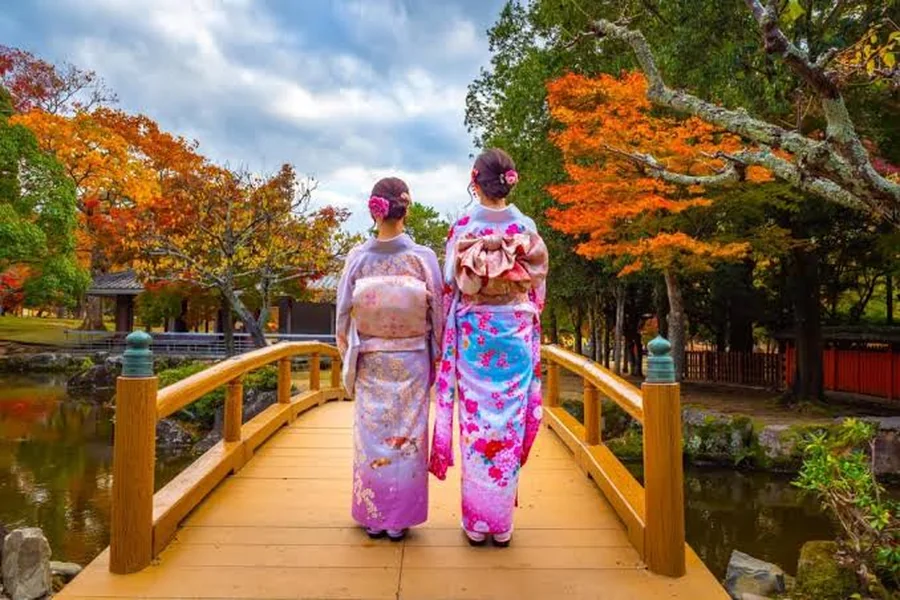
Japan captivates millions of visitors each year with its unique blend of ancient traditions and cutting-edge modernity. From serene temples nestled in bamboo forests to neon-lit streets buzzing with energy, this island nation offers experiences unlike anywhere else on Earth. Whether you’re planning your first visit or returning to explore deeper, these essential travel tips will help you navigate Japan with confidence and make the most of your journey.
Master the Art of Transportation
Getting around Japan is remarkably efficient once you understand the system. The Japan Rail Pass is your golden ticket if you’re planning to visit multiple cities, offering unlimited travel on most JR trains, including the famous Shinkansen bullet trains. Purchase this pass before arriving in Japan, as it’s only available to tourists and must be bought outside the country.
Within cities, prepaid IC cards like Suica or Pasmo are absolute lifesavers. These rechargeable cards work on trains, buses, and even in convenience stores and vending machines. Simply tap and go without fumbling for exact change or deciphering ticket machines each time you travel.
Download navigation apps like Google Maps or Hyperdia before your trip. These tools provide real-time train schedules, platform numbers, and route options that make navigating Japan’s complex transit networks surprisingly straightforward, even if you don’t speak Japanese.
Embrace Cash in a Cashless-Seeming Society
Despite Japan’s reputation for technological advancement, cash remains king in many situations. While major hotels and department stores accept credit cards, countless restaurants, small shops, and even some accommodations operate on a cash-only basis.
ATMs can be tricky to find, and many don’t accept foreign cards. Your best bet is using ATMs at 7-Eleven convenience stores or post offices, which reliably accept international cards and are available 24/7. Carry more cash than you think you’ll need, especially when venturing outside major cities.
Keep small bills and coins handy for temple donations, local buses, and traditional establishments. The 1,000 yen note will become your most-used denomination for everyday purchases.
Respect Cultural Etiquette
Japan has specific social customs that visitors should observe to show respect. Remove your shoes when entering homes, traditional restaurants, temples, and some accommodations. Look for the genkan (entryway) where shoes are left, and slippers are often provided.
Bowing is the standard greeting, though a simple nod works fine for tourists. Avoid eating while walking, speaking loudly on trains, or talking on your phone in quiet public spaces. These behaviors are considered inconsiderate in Japanese culture.
Tipping is not practiced in Japan and can actually cause confusion or offense. Excellent service is expected as standard, and the price you see is the price you pay. This applies everywhere from taxi rides to fine dining experiences, including Japan luxury tours that provide exceptional service without any expectation of additional gratuity.
Plan Around Seasonal Considerations
Timing your visit can dramatically impact your experience. Cherry blossom season in late March to early April is magical but extremely crowded and expensive. Autumn foliage from mid-November to early December offers similar beauty with fewer tourists.
Avoid Golden Week (late April to early May) and Obon (mid-August) when domestic travel peaks and accommodations become scarce. Summer brings intense humidity, while winter offers excellent skiing in northern regions and fewer crowds at popular attractions.
Book accommodations well in advance regardless of when you visit. Japan’s hotels fill quickly, especially in popular areas like Kyoto, Tokyo, and Osaka.
Navigate Language Barriers with Preparation
English proficiency varies widely in Japan, with major tourist areas being more accommodating than rural regions. Learn basic phrases like “sumimasen” (excuse me), “arigato gozaimasu” (thank you), and “eigo ga hanasemasu ka” (do you speak English).
Download a translation app with offline capabilities before your trip. Google Translate’s camera feature is particularly useful for reading menus, signs, and instructions. Many restaurants display plastic food models in windows, making ordering easier even without shared language.
Carry your hotel’s business card with the address in Japanese. This allows you to show taxi drivers or ask for directions if you get lost.
Experience Local Cuisine Authentically
Japanese food extends far beyond sushi and ramen. Visit local izakayas (casual pubs), try regional specialties, and don’t shy away from standing sushi bars or small family-run establishments where the best food often hides.
Convenience store food in Japan is surprisingly high quality and perfect for quick breakfasts or budget-friendly meals. Onigiri (rice balls), bento boxes, and seasonal items offer authentic tastes at reasonable prices.
Slurping noodles is not only acceptable but encouraged as a sign of enjoyment. At sushi restaurants, eating with your hands is perfectly appropriate, and dipping fish-side down into soy sauce shows proper technique.
Maximize Your Time with Strategic Planning
Japan rewards careful planning while remaining flexible enough for spontaneous discoveries. Book popular attractions like teamLab Borderless, the Ghibli Museum, or specific temple experiences in advance, as they often sell out weeks ahead.
Don’t try to see everything. Japan deserves slow exploration rather than rushed checklist tourism. Focus on fewer destinations and experience them deeply rather than exhausting yourself with constant travel.
Start your days early when temples and popular sites are quieter and more atmospheric. Japanese cities wake up early, with many shops and restaurants opening by 7 or 8 AM.
Japan offers endless discoveries for travelers willing to embrace its unique rhythm and customs. By preparing thoughtfully, respecting local traditions, and staying open to unexpected experiences, you’ll create memories that extend far beyond typical tourist snapshots. The key is balancing structure with spontaneity, allowing Japan’s magic to unfold naturally while ensuring you don’t miss the experiences that matter most to you.