
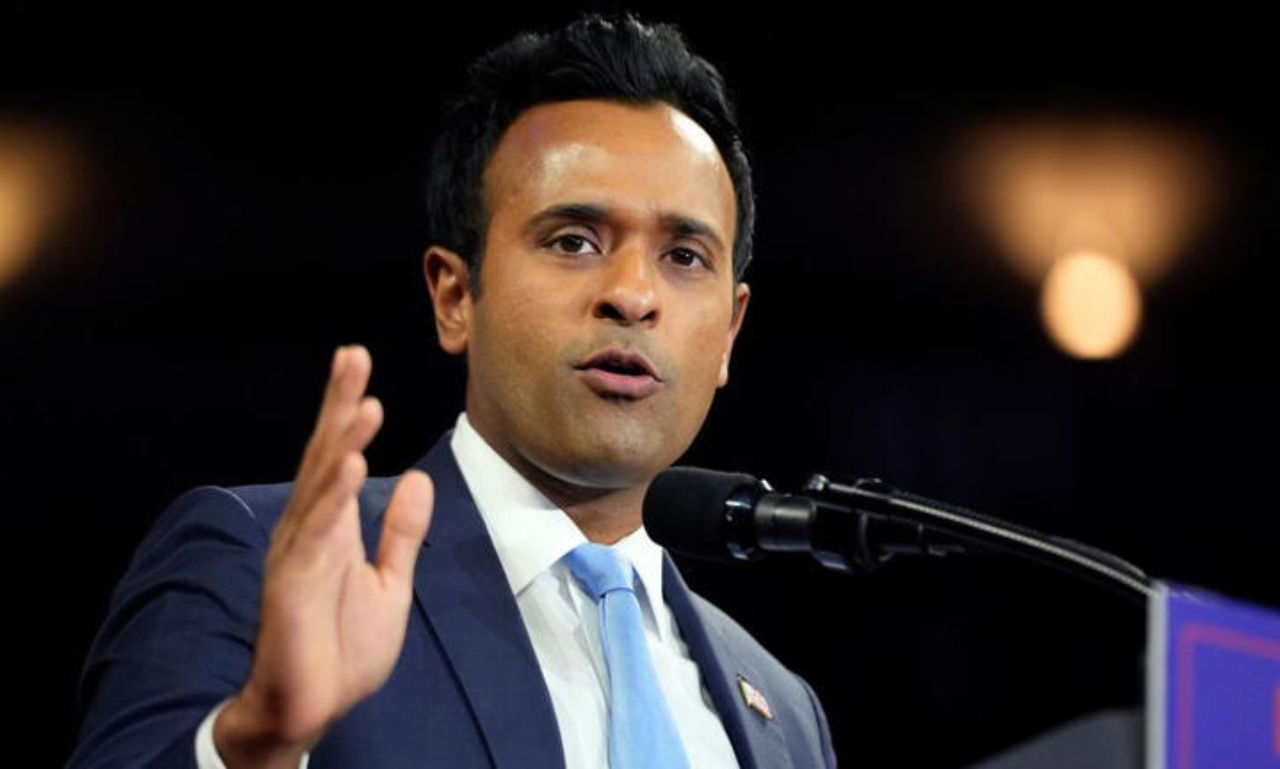

Vivek Ramaswamy Net Worth draws attention because he blends business success with public influence. His journey reflects entrepreneurship, biotech innovation, strategic investments, financial growth, market leadership, and wealth building. From launching companies to making bold decisions, his financial story helps readers understand how modern entrepreneurs create value, manage risk, and turn vision into measurable economic success over time globally today.
Few figures spark curiosity like a founder who moves markets and headlines. His rise blends ambition, disruption, calculated risk, bold ideas, rapid scaling, and public debate, pulling readers into a story where money, power, and timing collide in unexpected ways.
This overview breaks down the numbers behind the name with clarity and context. You’ll explore income streams, asset valuation, business strategy, career milestones, financial transparency, and future outlook, making complex wealth topics simple, readable, and useful for anyone curious about modern success stories across digital business culture today worldwide online.
Vivek Ramaswamy Profile Summary
| Profile Aspect | Details |
| Full Name | Vivek Ramaswamy |
| Date of Birth | August 9, 1985 |
| Age | 40 years |
| Nationality | American |
| Occupation | Entrepreneur, Biotech Investor, Author, Political Figure |
| Education | Bachelor’s in Biology, Harvard University; JD, Yale Law School |
| Known For | Founder of Roivant Sciences, Biotech innovation, Public speaking, Political involvement |
| Net Worth (2026) | $900 million – $1 billion |
| Primary Income Sources | Biotech ventures, Equity holdings, Investments, Real estate, Book sales, Speaking fees |
| Real Estate Holdings | Luxury homes, Prime location properties, Private estates generating multi-million annual income |
| Philanthropy | Education initiatives, Policy research, Nonprofit support, Civic engagement |
| Political Involvement | Public campaigns, Advocacy, Media appearances; indirect impact on income and influence |
| Awards & Recognition | Named among influential biotech leaders, recognized for entrepreneurial vision and investment success |
| Business Strategy | Focus on equity ownership, company exits, long-term investments, and asset diversification |
Who Is Vivek Ramaswamy?
Vivek Ramaswamy is an American entrepreneur, biotech founder, and public figure known for sharp ideas and confident leadership. He gained attention for building companies, sharing strong opinions, and shaping debates around business, culture, and innovation in the modern corporate world today.
He is widely recognized for his business mindset, strategic thinking, and growing public presence. His career blends corporate leadership, media influence, and policy discussions, making him a notable name beyond traditional entrepreneurship and into national conversations about power, money, and influence.
Vivek Ramaswamy Net Worth in 2026
As of 2026, his estimated wealth ranges between $900 million and $1 billion, largely built through biotech ventures, equity ownership, company exits, and long-term investment strategies that rewarded early risk-taking and calculated financial decisions.
Most of his fortune comes from founding Roivant Sciences and holding valuable shareholdings, along with returns from capital markets, intellectual property, and board-level earnings. His wealth reflects smart timing, industry insight, and strong control over high-growth assets.
Early Life and Educational Background
He was born in the United States to immigrant parents who valued education, discipline, and academic excellence. From an early age, he showed curiosity, focus, and a drive to understand how systems, money, and leadership work together.
He studied biology and later earned a law degree, combining scientific knowledge, legal insight, and analytical skills. This rare mix helped him move confidently between research, finance, and executive leadership roles early in his career.
Career Beginnings in Biotech and Finance
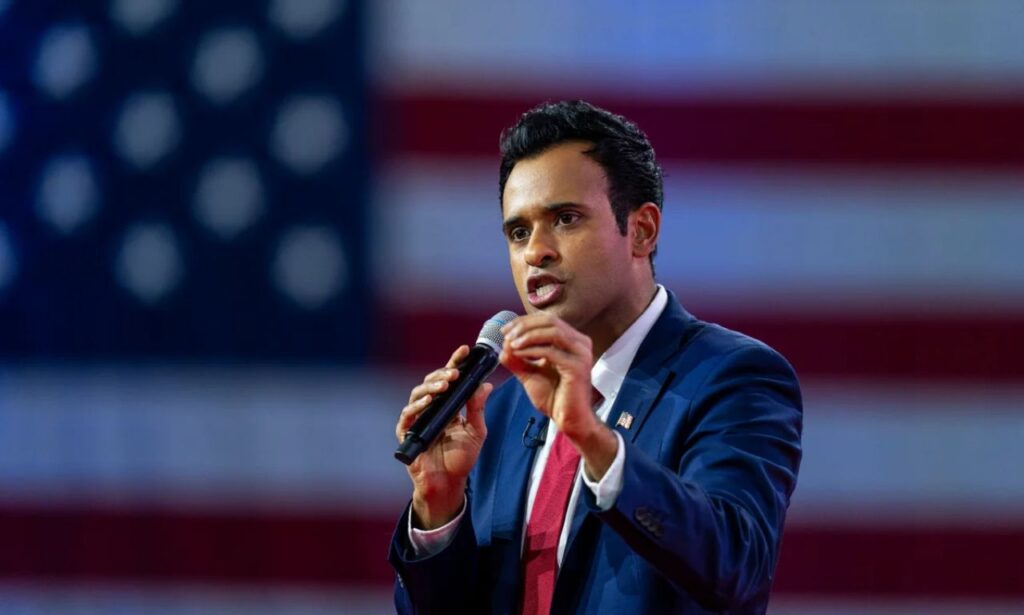
His professional journey started in the biotech sector, where he identified gaps in drug development, research funding, and commercial strategy. These insights allowed him to connect science with business opportunities effectively.
Before launching his own companies, he gained experience in hedge funds, investment analysis, and market evaluation. This background sharpened his ability to spot undervalued assets and turn complex science-driven ideas into profitable enterprises.
Roivant Sciences and Major Business Ventures
Roivant Sciences is the most important company in his career. He built it around biotech innovation, drug development, strategic leadership, healthcare investment, and corporate vision, creating value by reviving overlooked medicines and turning scientific ideas into scalable, profitable businesses.
- Founded Roivant Sciences to acquire overlooked drug assets and improve them using data-driven strategy, expert teams, and focused execution.
- Created multiple “Vant” subsidiaries targeting specific diseases, improving operational efficiency, accountability, and faster clinical development timelines.
- Used a hub-and-spoke model to balance innovation, cost control, and scientific specialization across different healthcare segments.
- Partnered with global firms to reduce financial risk, share expertise, and accelerate drug approvals worldwide.
- Maintained strong leadership control while scaling operations through venture funding, smart acquisitions, and disciplined management practices.
The company operates through multiple subsidiaries, each focused on specific treatments. This structure supports risk management, portfolio expansion, research efficiency, capital optimization, and long-term growth across global pharmaceutical markets.
Investment Portfolio and Equity Holdings
His investment style focuses on long-term value rather than quick returns. He prioritizes equity ownership, asset diversification, capital growth, market timing, and selective risk across biotech, finance, and emerging innovation sectors.
- Holds significant equity positions in companies he helped create, reinforcing ownership control and long-term financial alignment.
- Focuses on industries with strong intellectual property, regulatory protection, and scalable revenue potential.
- Avoids excessive short-term trading, favoring patient capital and compounding value strategies.
- Uses expert advisory teams to guide portfolio balance and downside protection.
- Limits public disclosures, keeping many holdings private for strategic flexibility and valuation control.
Most holdings are tied to private companies and strategic stakes. This approach strengthens wealth stability, limits exposure, and supports consistent returns during market shifts and economic uncertainty.
Sources of Income Beyond Business
Apart from company leadership, his earnings come from several structured channels. These include investment returns, advisory roles, equity appreciation, private partnerships, and selective involvement in policy-driven initiatives that reward long-term thinking and financial discipline.
| Income Source | Type | Contribution Level |
| Advisory Roles | Strategic Consulting | Medium |
| Private Investments | Equity & Returns | High |
| Board Positions | Corporate Governance | Medium |
| Policy & Think Tanks | Honorariums | Low |
| Long-Term Holdings | Asset Growth | High |
This diversified income model improves financial stability, supports risk management, and protects wealth during market changes. Multiple streams reduce reliance on one sector and allow steady growth even when business cycles slow down.
Book Sales, Speaking Fees, and Media Earnings
His public presence created additional income through books and events. These channels rely on thought leadership, public speaking, media influence, brand authority, and a loyal audience interested in culture and economics.
Revenue from publishing and speaking also strengthens visibility. It supports personal branding, expands reach, and converts intellectual ideas into sustainable financial returns without heavy operational costs.
Real Estate Assets and Luxury Properties
His real estate portfolio focuses on long-term value rather than showy displays. Properties are chosen for prime locations, asset security, capital preservation, privacy, and market stability. These holdings usually include high-end residential properties in strong markets, where demand stays consistent even during economic downturns.
Real estate also generates passive income through rental earnings, property appreciation, and strategic leasing. Annual income from these assets is estimated in the low multi-million range, depending on market conditions. This steady cash flow supports income diversification, wealth stability, and protection against volatility from business and market-based earnings.
| Property Type | Income Source | Estimated Annual Income |
| Luxury Residential Homes | Long-term rentals | High (Seven figures) |
| Prime Location Properties | Value appreciation | Medium to High |
| Private Estates | Limited leasing | Medium |
| Investment Properties | Rental yields | Medium |
| Strategic Holdings | Resale gains | High (Long-term) |
This property-based income plays a key role in balancing overall finances. It provides predictable returns, strengthens financial resilience, and ensures wealth continues to grow even without active business involvement.
Political Career and Its Impact on Wealth
Vivek Ramaswamy Net Worth connects closely with his political career, where he earns no government salary. Campaign activities rely on personal funding, donor support, public exposure, media reach, and brand expansion, which increased visibility without directly adding income but strengthened long-term influence and future leadership opportunities worldwide today for growth.
Political involvement reshaped his public image and market appeal. It opened paths for speaking income, book demand, strategic alliances, audience trust, and thought leadership, indirectly supporting earnings while maintaining independence from fixed salaries or taxpayer-funded compensation across media platforms and private engagements globally today.
Philanthropy, Donations, and Social Contributions
Vivek Ramaswamy Net Worth is also shaped by structured giving rather than publicity-driven charity. His contributions focus on education reform, policy research, social initiatives, nonprofit support, and civic engagement, reflecting values-based funding instead of personal financial gain or salary-based returns from donations.
These efforts do not generate income but improve public credibility, long-term influence, and social capital. Strategic giving supports reputation growth while keeping financial priorities focused on sustainable wealth management and disciplined asset control rather than short-term recognition today.
Net Worth Growth Over the Years
Vivek Ramaswamy Net Worth has grown significantly from early biotech ventures to billion-dollar valuations. His income sources include company exits, equity appreciation, dividends, investment returns, and board-level earnings, totaling estimated annual earnings of $50–$70 million in recent years, depending on market performance.
Over the years, his net worth rose from around $50 million in 2015 to nearly $1 billion in 2026. This growth reflects strategic reinvestment, long-term asset scaling, capital growth, and disciplined management of private holdings and business ventures.
Comparing Vivek Ramaswamy Net Worth With Other Entrepreneurs
Vivek Ramaswamy Net Worth stands out due to early biotech investments and company ownership. Unlike many tech or finance founders, his wealth comes from equity, company sales, and private holdings rather than fixed salaries or high executive pay.
| Entrepreneur | Net Worth | Primary Source of Wealth | Annual Earnings |
| Vivek Ramaswamy | $900M–$1B | Biotech, Equity, Investments | $50–$70M |
| Elon Musk | $220B | Tesla, SpaceX, Investments | $6–$10B (variable) |
| Mark Zuckerberg | $120B | Meta (Facebook) | $500M+ (salary & equity) |
| Patrick Collison | $11B | Stripe | $30–$50M (equity gains) |
| Sara Blakely | $1.3B | Spanx | $40–$60M (royalties & investments) |
This table shows how his income and wealth compare with other top entrepreneurs. His structure focuses on ownership control, capital growth, and strategic investments, making him unique among modern business leaders.
FAQ’s
What is Vivek Ramaswamy’s estimated net worth in 2026?
Vivek Ramaswamy’s estimated wealth ranges from $900 million to $1 billion, built through biotech ventures, equity ownership, investments, and strategic business exits over the years.
How did Vivek Ramaswamy make his money?
His wealth comes mainly from founding biotech companies, investing in emerging ventures, earning board-level salaries, and profiting from company exits and equity appreciation across multiple sectors.
Does Vivek Ramaswamy earn from books and speaking fees?
Yes, he earns through book sales, public speaking, and media appearances, which provide additional income, boost his personal brand, and expand his influence globally.
What are his major business ventures?
His primary ventures include Roivant Sciences and its subsidiaries, focusing on drug development, biotech innovation, strategic partnerships, and creating high-value equity holdings in emerging healthcare markets.
Does he have investment income beyond his companies?
Yes, he has significant equity holdings, private investments, and capital market positions, generating consistent returns through long-term asset growth and strategic portfolio management.
How much does real estate contribute to his income?
Real estate assets provide passive income through rental returns, property appreciation, and strategic leasing, contributing several million dollars annually to overall wealth stability.
Has politics impacted his wealth?
Political involvement increased public exposure, speaking opportunities, and book sales but did not directly provide salaries, supporting indirect growth in income and influence.
Does he donate to charity or philanthropic causes?
Yes, he contributes to education initiatives, policy research, and nonprofits, which enhance social impact, reputation, and long-term credibility without significantly affecting net earnings.
How does his net worth compare to other entrepreneurs?
Compared with peers like Elon Musk or Mark Zuckerberg, he focuses on equity ownership and biotech ventures, relying less on salaries, emphasizing long-term growth and strategic investments.
What are his main income sources today?
His income streams include company equity, investments, book royalties, speaking fees, media appearances, and real estate, all contributing to a diversified and stable financial portfolio.
Conclusion
Vivek Ramaswamy Net Worth reflects a blend of entrepreneurship, strategic investments, biotech innovation, and smart financial planning. His wealth comes from equity ownership, successful company exits, real estate assets, and diversified income streams, showing how calculated risk and long-term vision create substantial economic growth.
Overall, his journey highlights wealth diversification, public influence, philanthropic impact, and consistent asset growth. By combining business strategy, intellectual property, and financial discipline, he has built a resilient fortune that inspires both aspiring entrepreneurs and investors worldwide today.
Grayson Pike is a pop culture enthusiast and entertainment writer with a sharp eye for celebrity trends. He explores Hollywood stories, interviews, and behind-the-scenes insights, delivering engaging content with a unique voice. Grayson combines curiosity and expertise to keep readers informed and entertained in the fast-paced world of fame.
