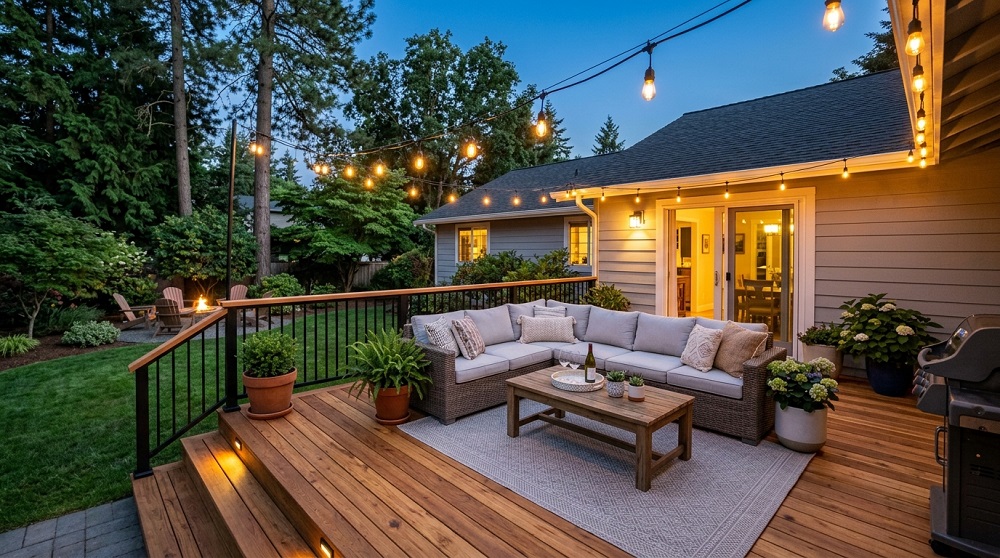
Making your home more energy efficient is a great way to save money.There are many ways to make your home more energy efficient and save money.
With the increase in energy prices and greater environmental consciousness, more homeowners are seeking ways to increase energy efficiency in their homes. Energy-saving upgrades can also help to enhance comfort, boost property value and minimize environmental impact—and all while lowering monthly utility costs. A variety of upgrades can be implemented in modern homes to reduce energy use and keep homes convenient and performing well. Below are some of the best energy-efficient upgrades that homeowners can do.
Switch from light bulbs to LED lights.Replace light bulbs with LED lights.
A low-cost and simple way of increasing energy efficiency is to switch off the incandescent bulbs and use LED. LED bulbs are also much more cost and energy efficient than incandescent or halogen bulbs.
With less heat generated, LED lights can also help to reduce cooling costs in hotter weather, while additionally decreasing energy consumption. Homeowners also save money over time in the event of replacements due to long lifespans.
Install smart thermostat and use it.Use smart thermostat.
The use of heating and cooling systems is one of the main uses of energy in households. The smart thermostat will ensure optimal temperature control by adjusting the temperature automatically according to the use and the daily program.
Homeowners can now control their temperature with mobile apps from many smart thermostats, so they can keep an eye on their energy use even when they’re on the go. These devices can help eliminate unnecessary heating and cooling, and can add up to significant savings over the year.
Improve Home Insulation
Insulation is an important part in keeping the temperatures in the house. Uninsulated homes may lose heat in the winter and gain heat in the summer, making HVAC systems work harder.
Insulation can make a big difference in the energy efficiency of attics, walls, and crawl spaces. Proper insulation keeps indoor spaces warm/cold, saves energy and improves comfort.
Seal Air Leaks
Even a well-insulated home can “bleed” energy around doors, windows, vents and utility openings. Leaks allow conditioned air to escape and outdoor air to come inside, adding to heating and cooling expenses.
Seals of weatherstripping, caulking, and sealing visible gaps are easy fixes that will save energy costs right away. Often homeowners can get one the biggest bang for their buck with these upgrades.
Install energy-efficient windows.Use energy-efficient windows.
Older windows can be a significant source for energy loss. An energy efficient window has been designed to minimize heat transfer and increase insulation. Double pane or triple pane windows, low-emissivity coatings and insulated frames all contribute to indoor comfort all year long.
Though window replacement is a higher initial cost, the energy savings and property value enhancement can make it worth it.
Choose Energy-Efficient Appliances
A lot of electricity and water is used by household appliances. Energy-efficient models can save on utility costs when replacing the outdated models.
Today’s refrigerators, washers, dishwashers, and air conditioners require less electricity and are more efficient. When buying a home product consumers should seek products with well-known energy-efficient certifications.
Install Solar Panels
As technology advances and installation costs get more affordable, solar energy has become more popular. With solar panels, homeowners can produce their own electricity, lessening the reliance on traditional power suppliers.
While solar power may require a significant upfront investment, the long-term savings on electricity bills and potential government incentives can make it a worthwhile investment for many homes.
Consider upgrading water heating systems.Think about replacing water heating equipment.
Water heaters use a lot of home energy. Today’s tankless water heaters and high-efficiency heat pump water heaters consume less energy and yet deliver hot water when you need it.
Energy can be saved with little cost by insulating hot water pipes and reducing the temperature setting on water heaters.
Conclusion
Energy saving home improvements are not just about the savings on your energy bills. Other upgrades like LED lighting, smart thermostats, improved insulation, sealed air leaks, energy-efficient windows, modern appliances, solar panels, and advanced water heating systems can improve comfort, minimize environmental impacts, and help boost the value of your home. These enhancements not only boost the efficiency and comfort of the home but also help in reducing its carbon footprint and operational expenses, offering long-term benefits to the homeowner.